European Poetry Festival : summer 2026

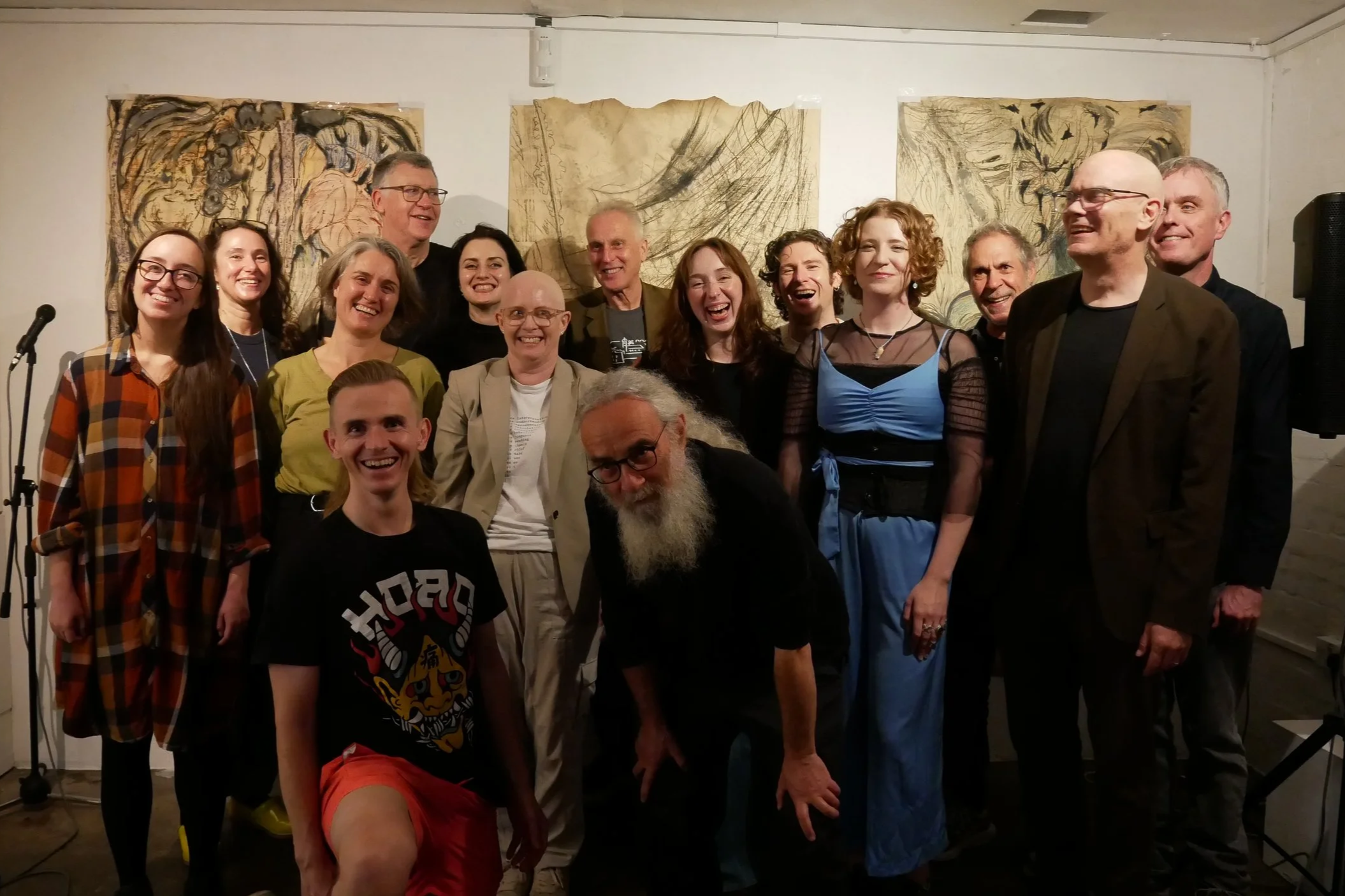
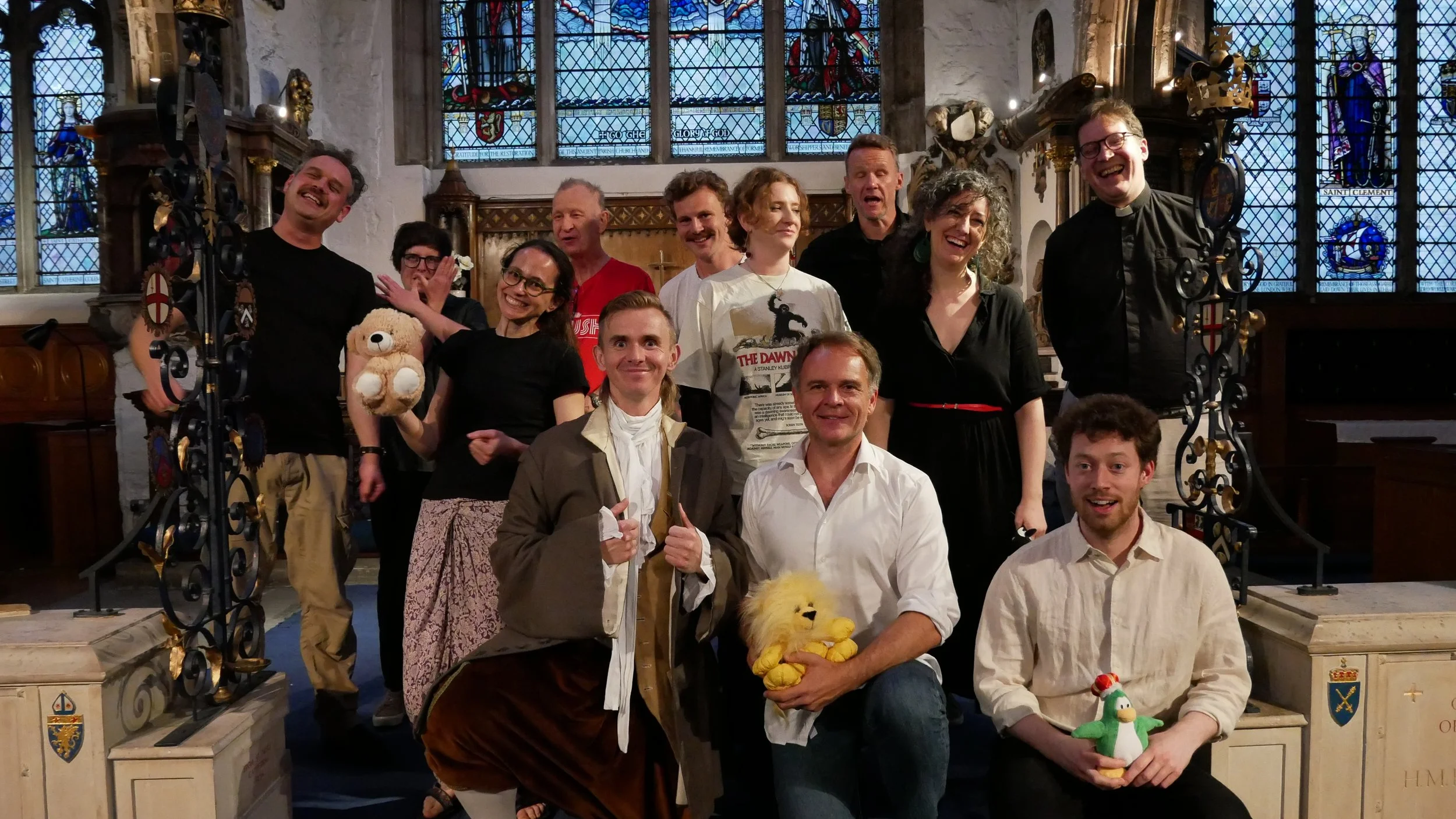
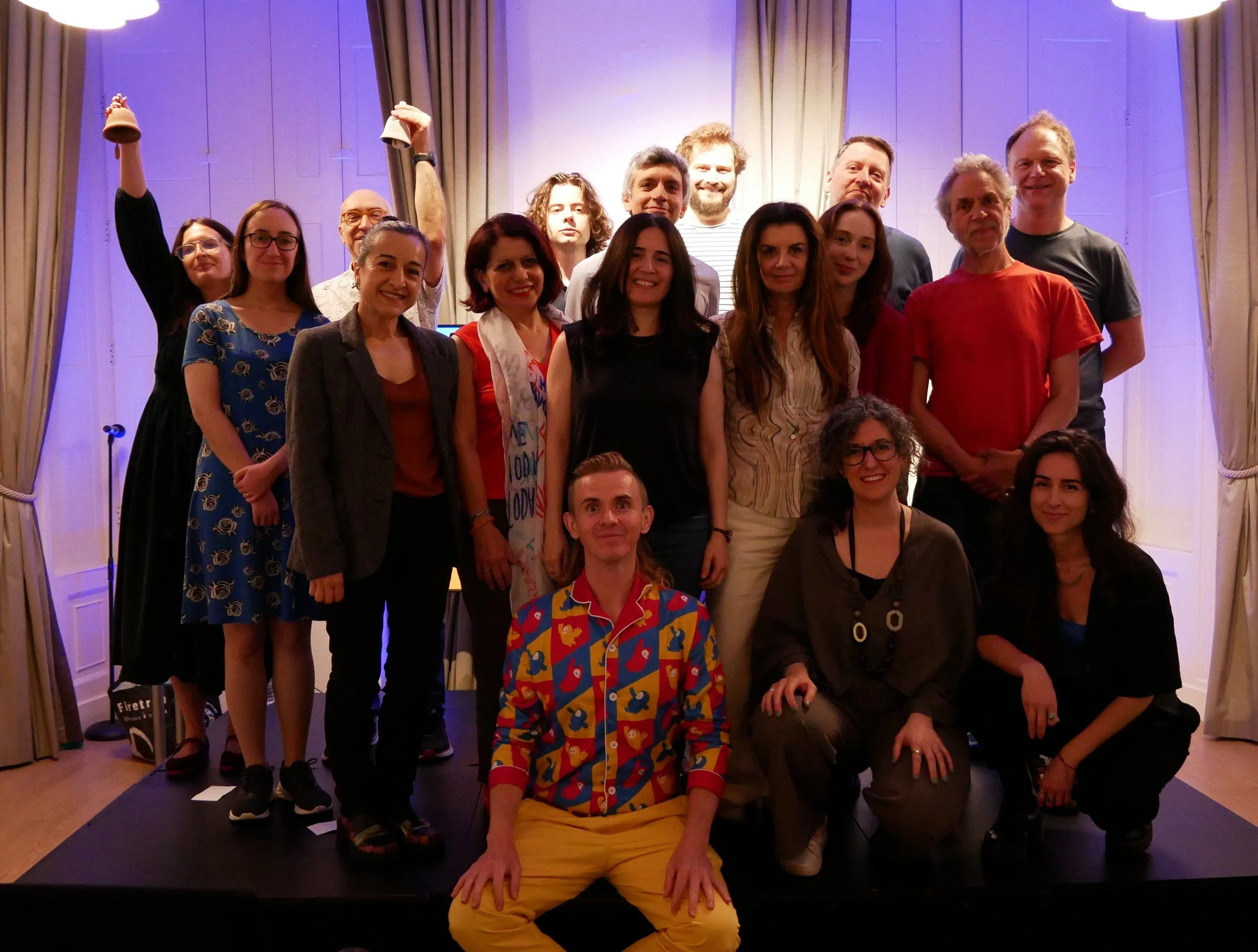
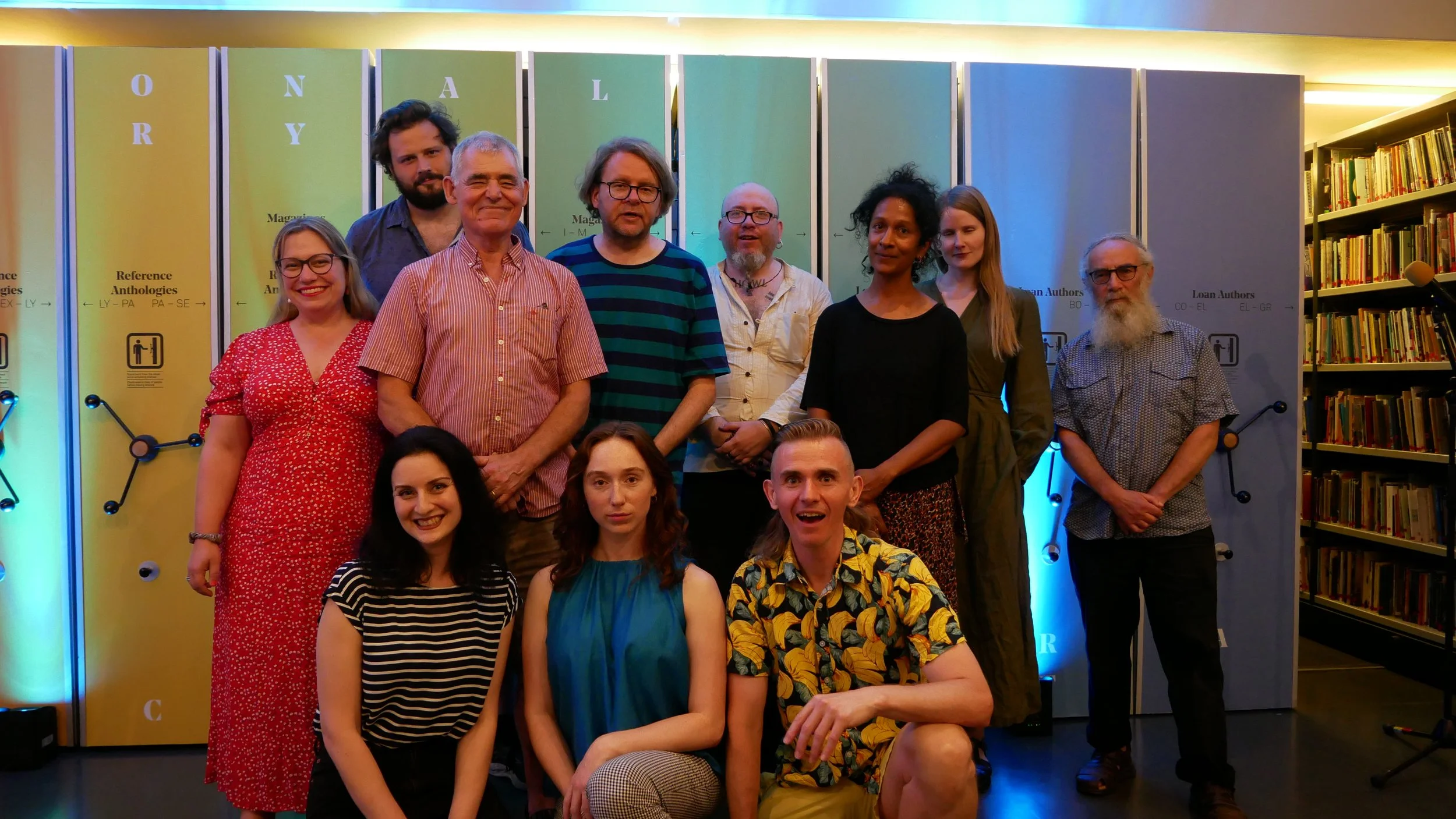
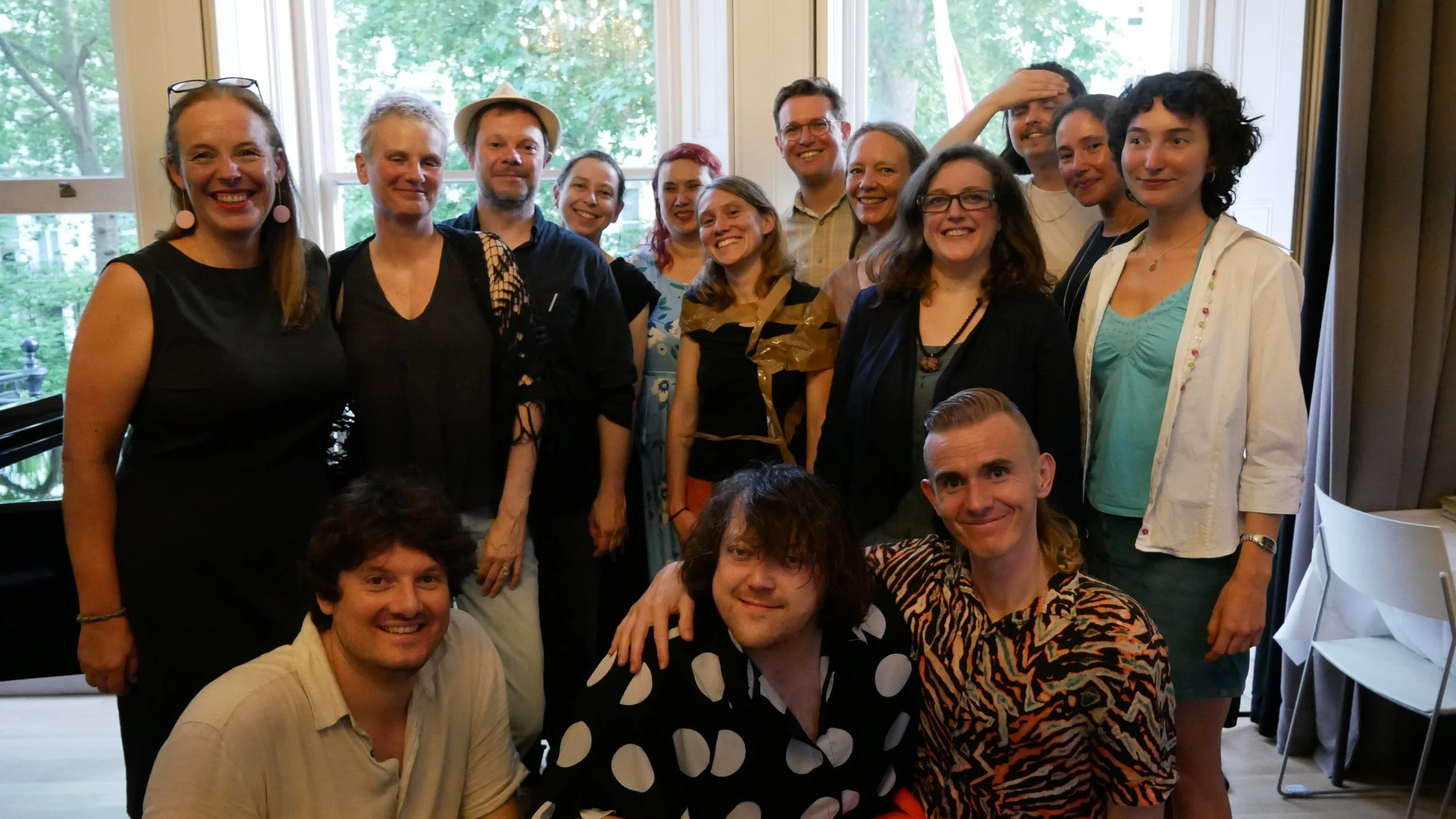
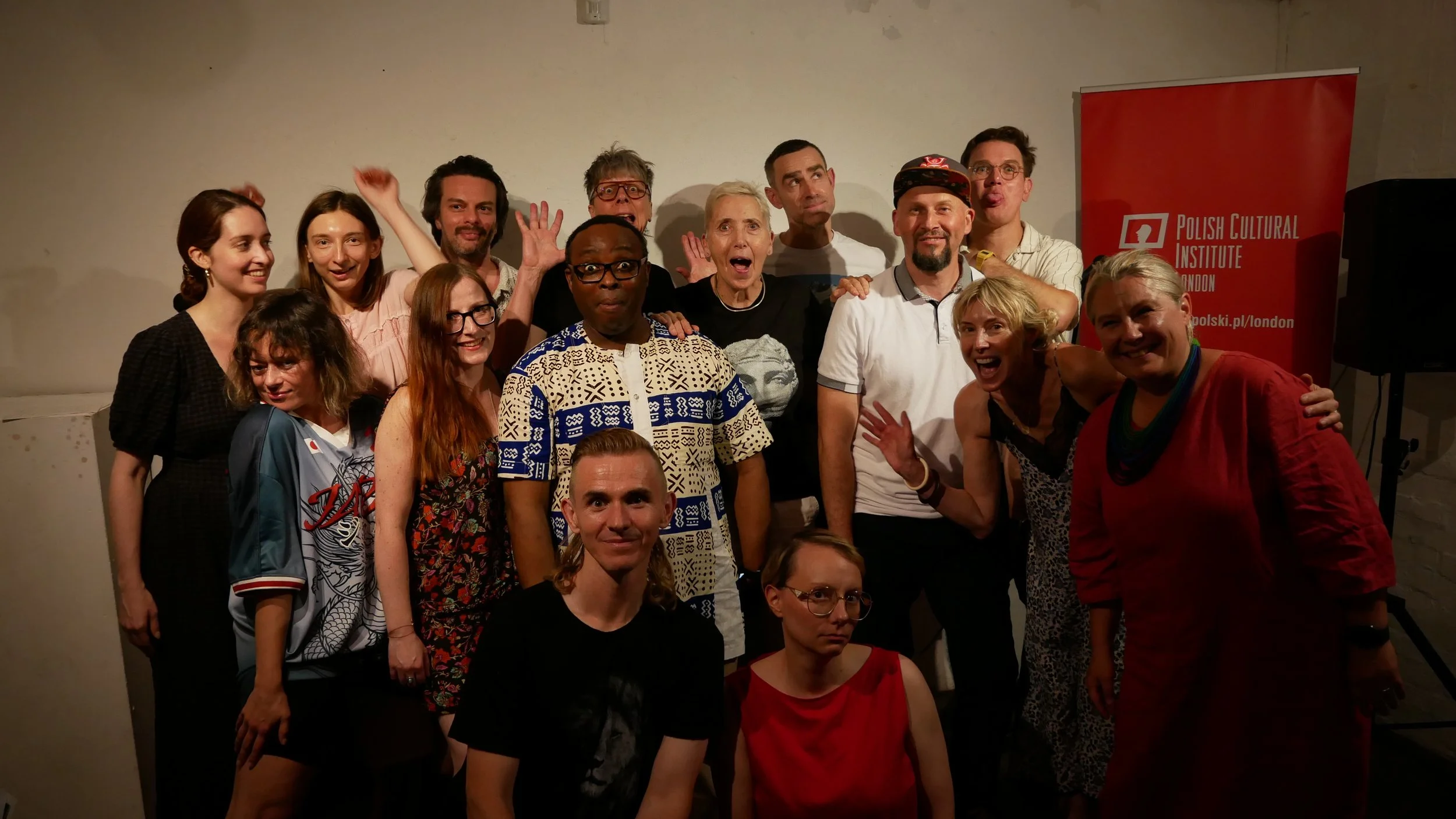
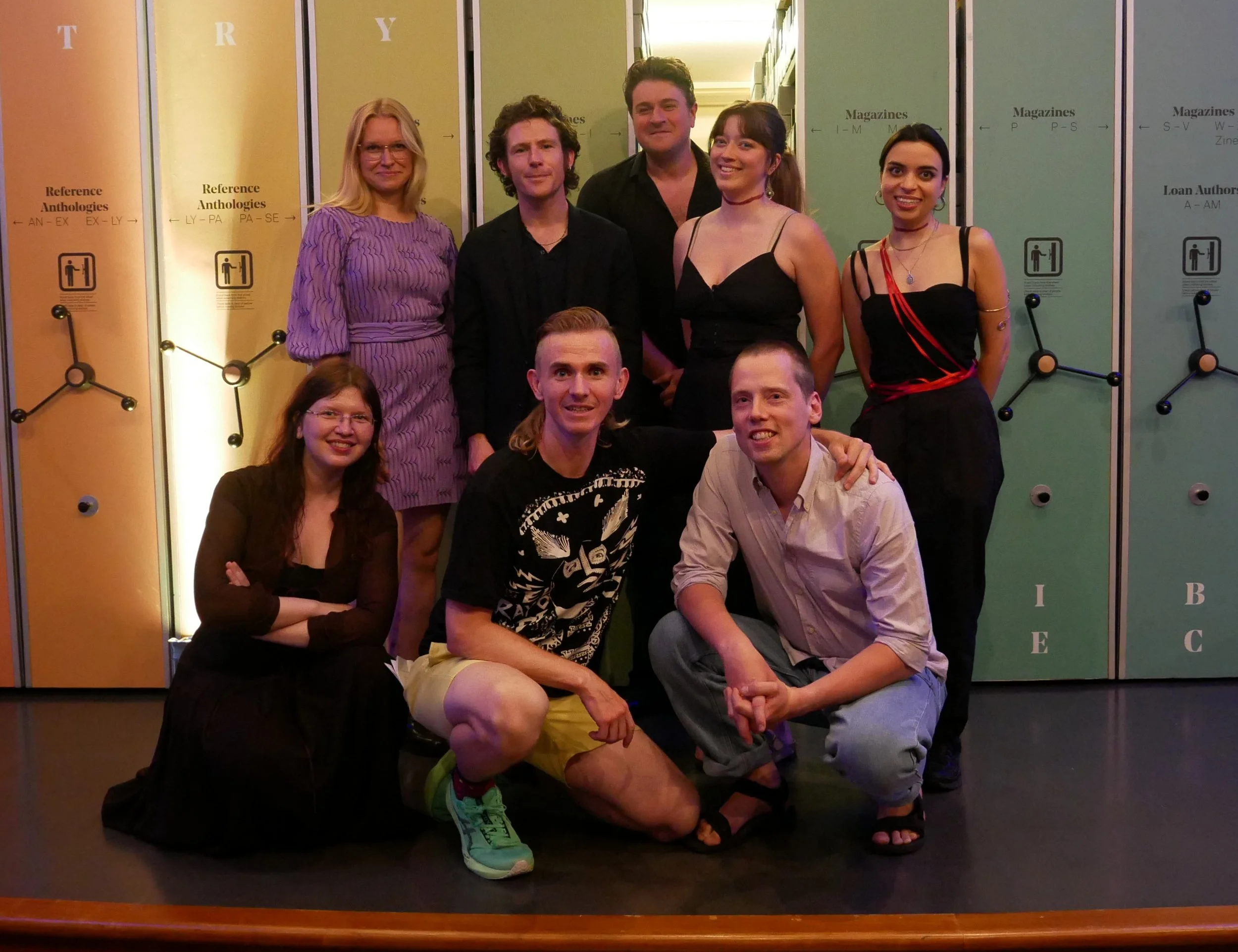
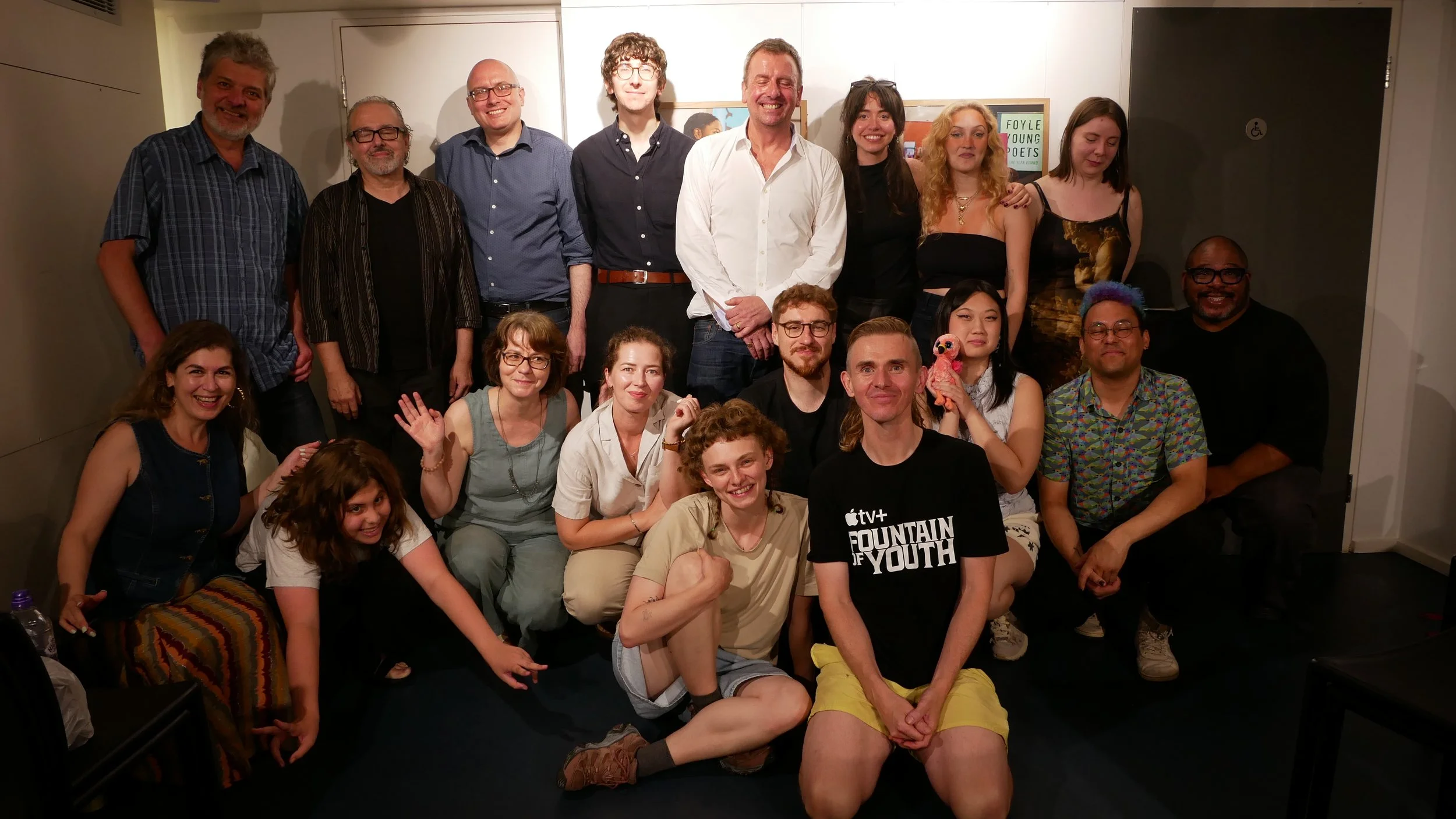
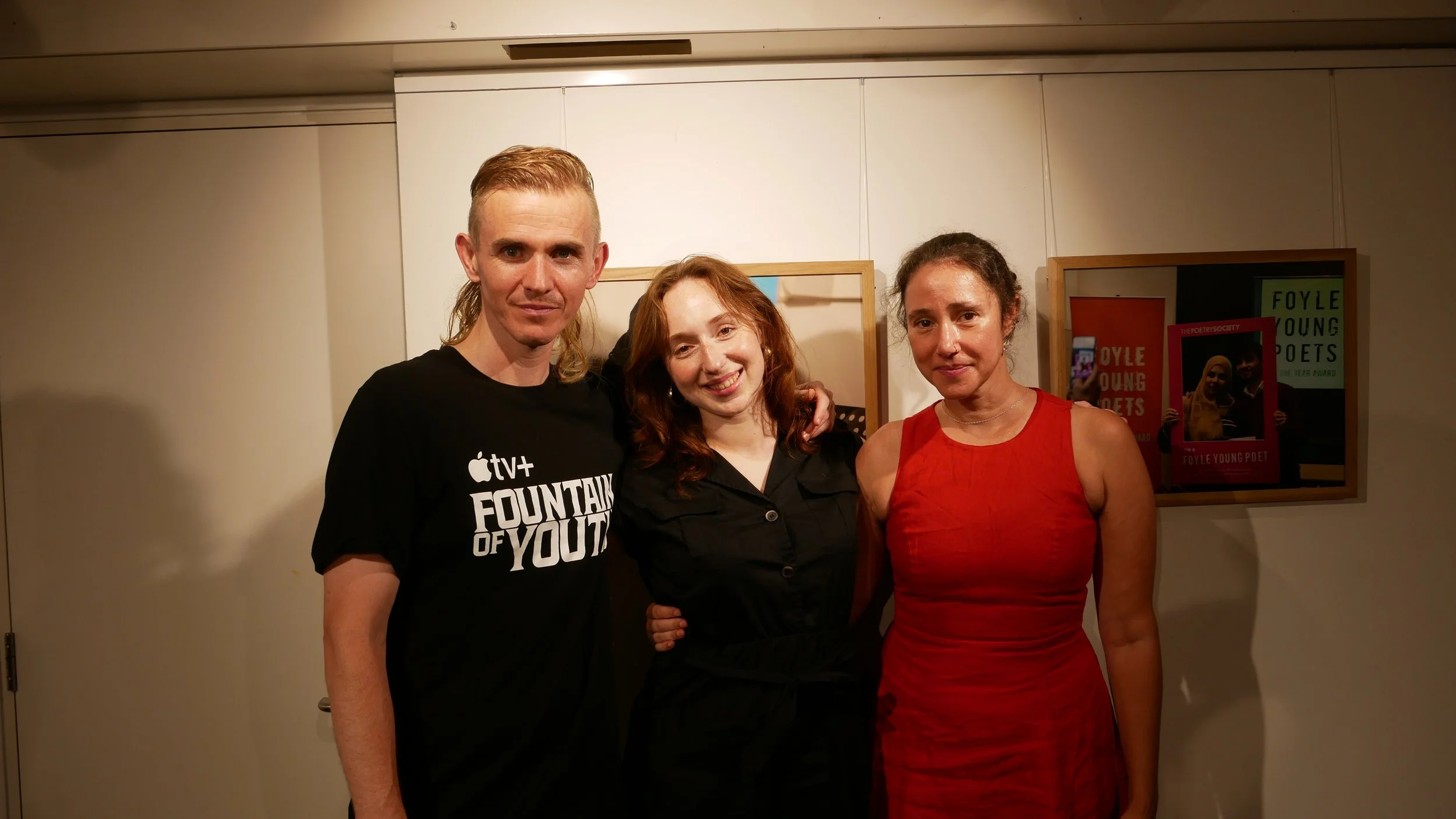
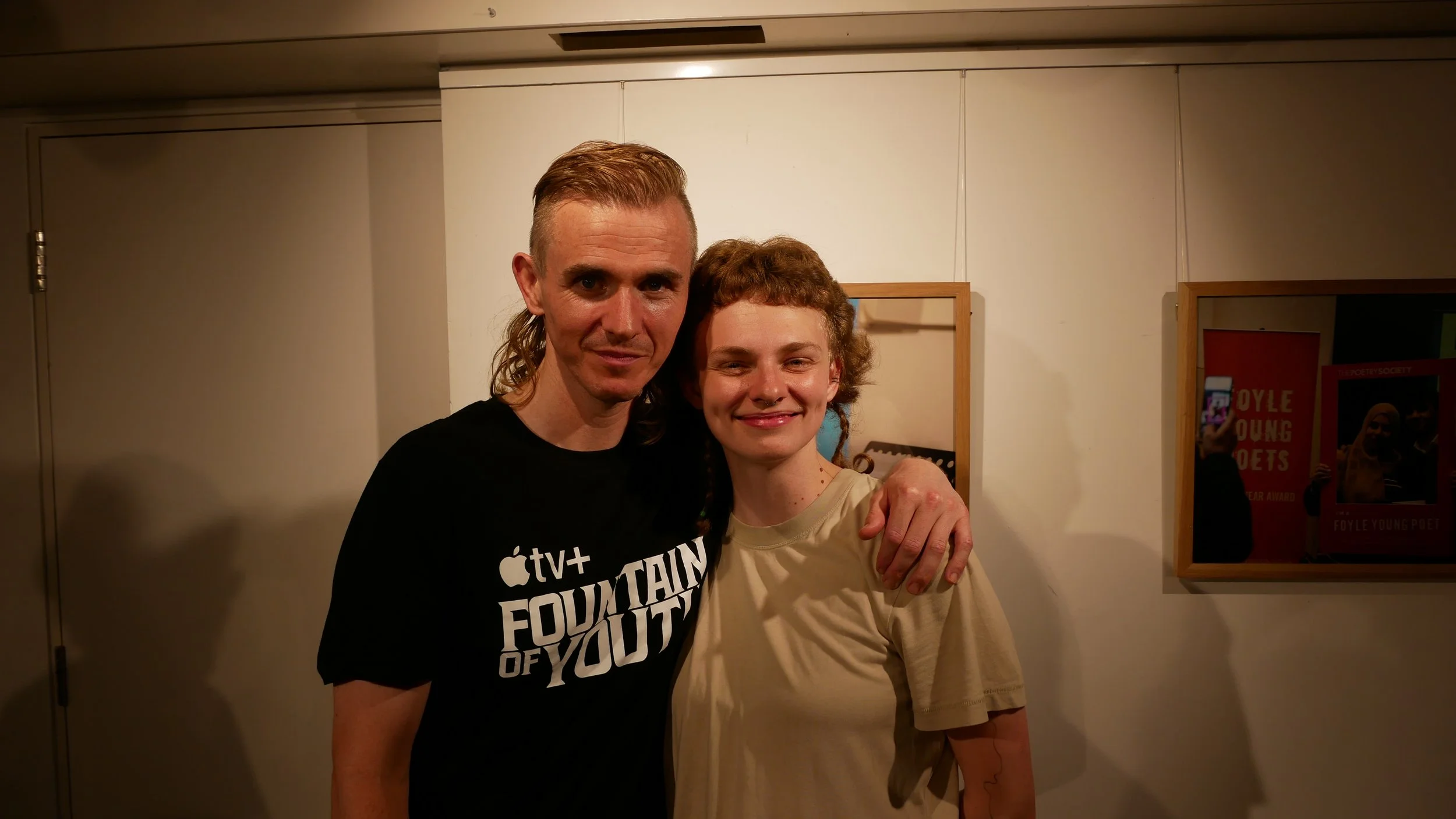
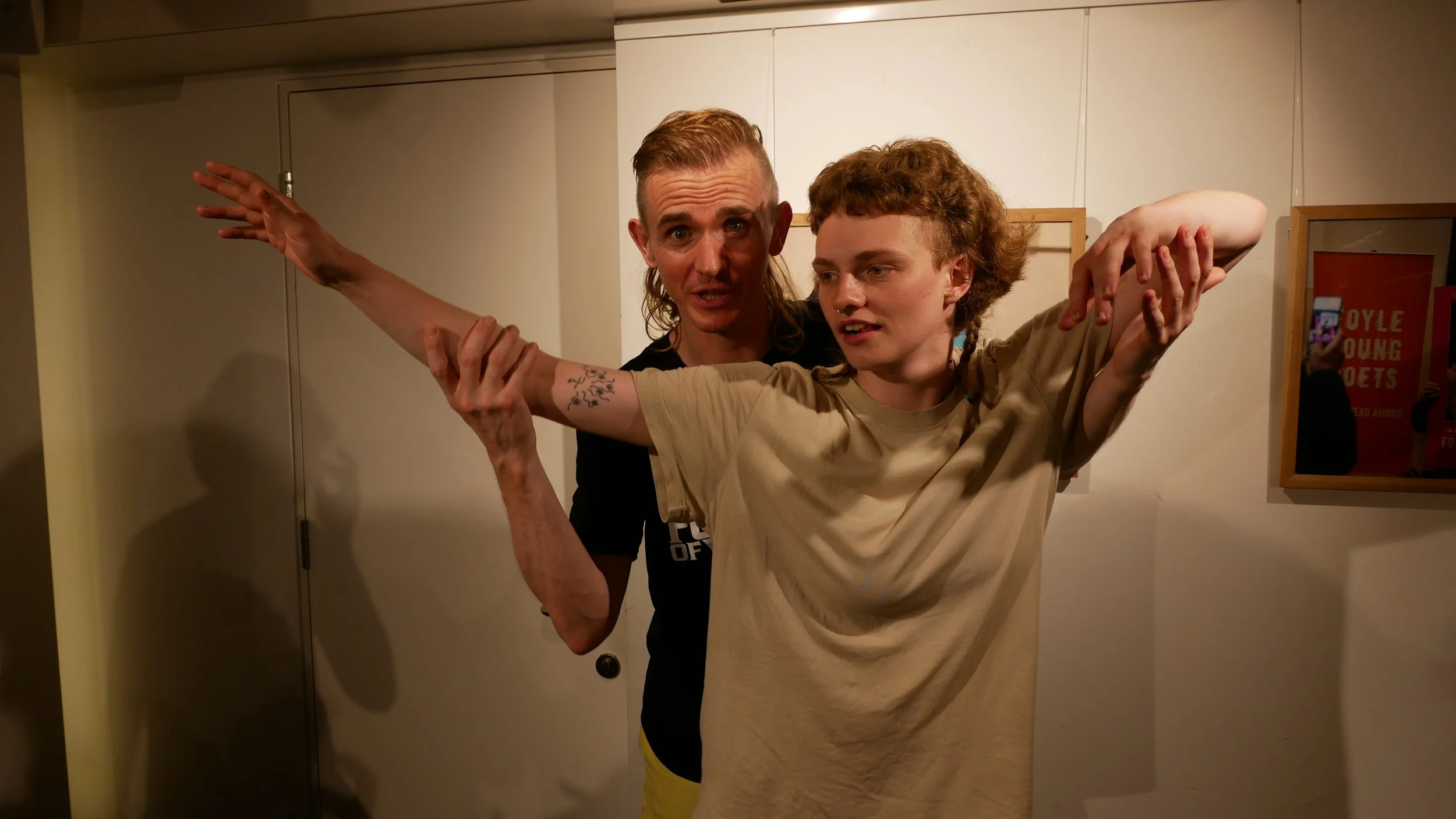
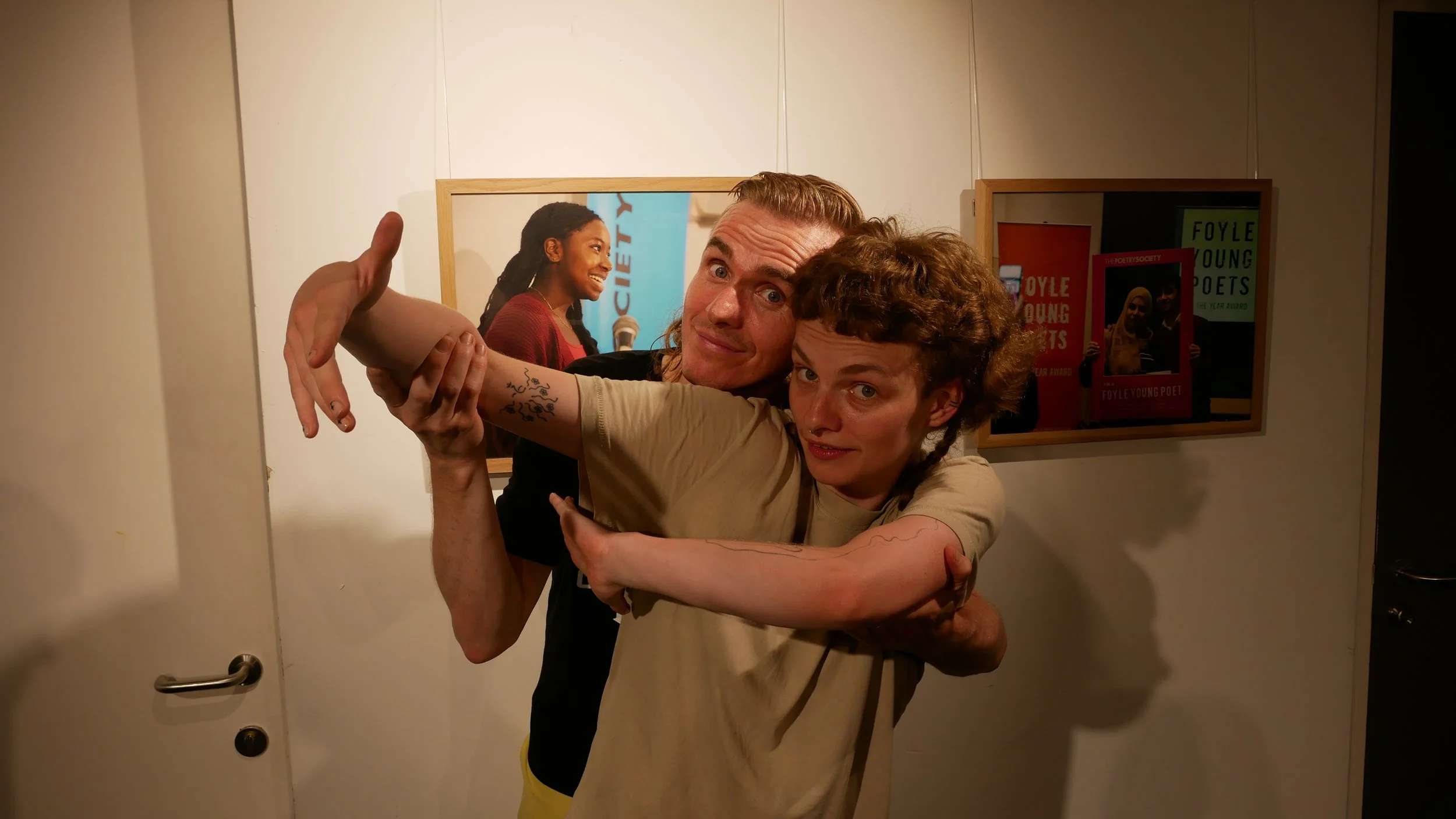
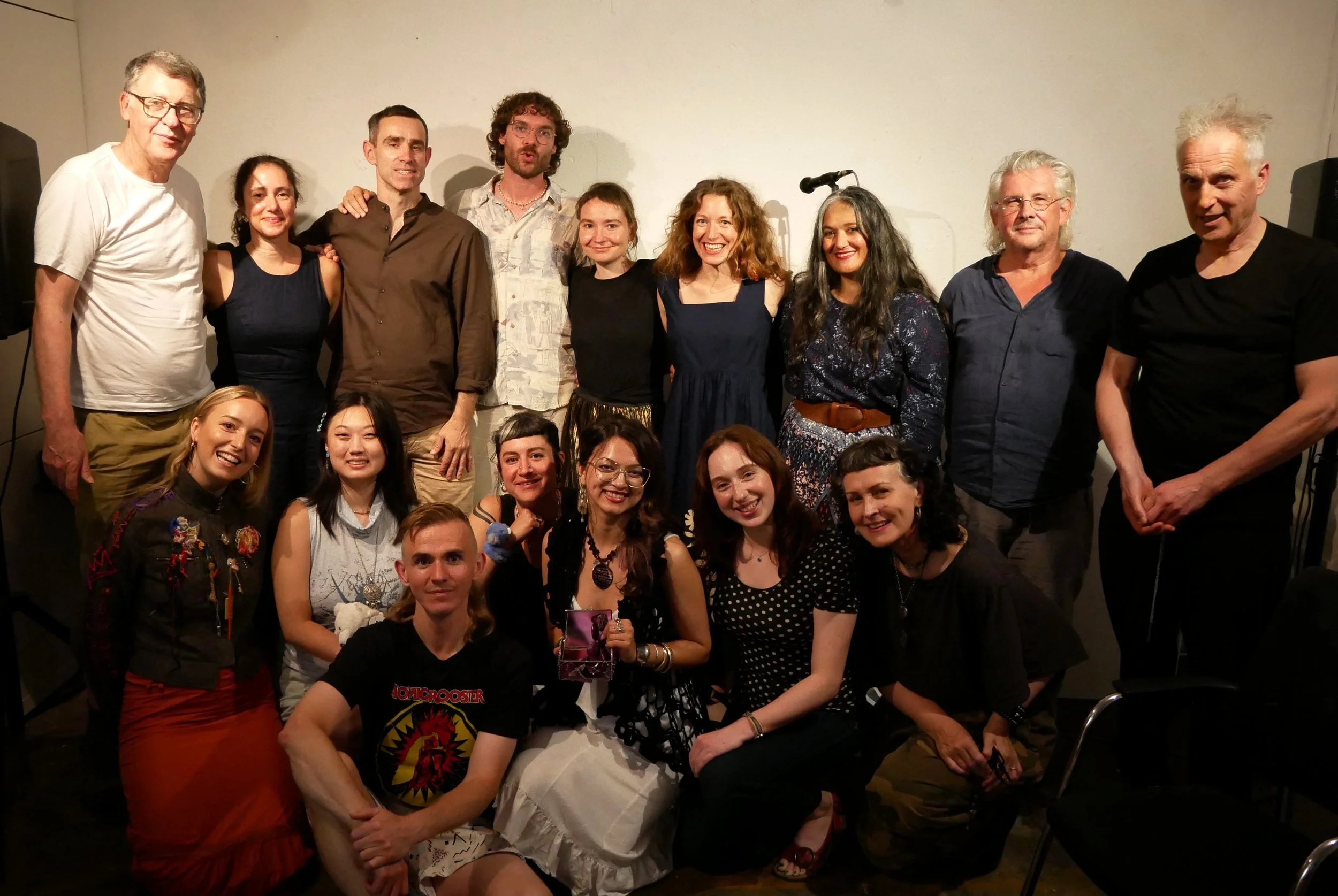
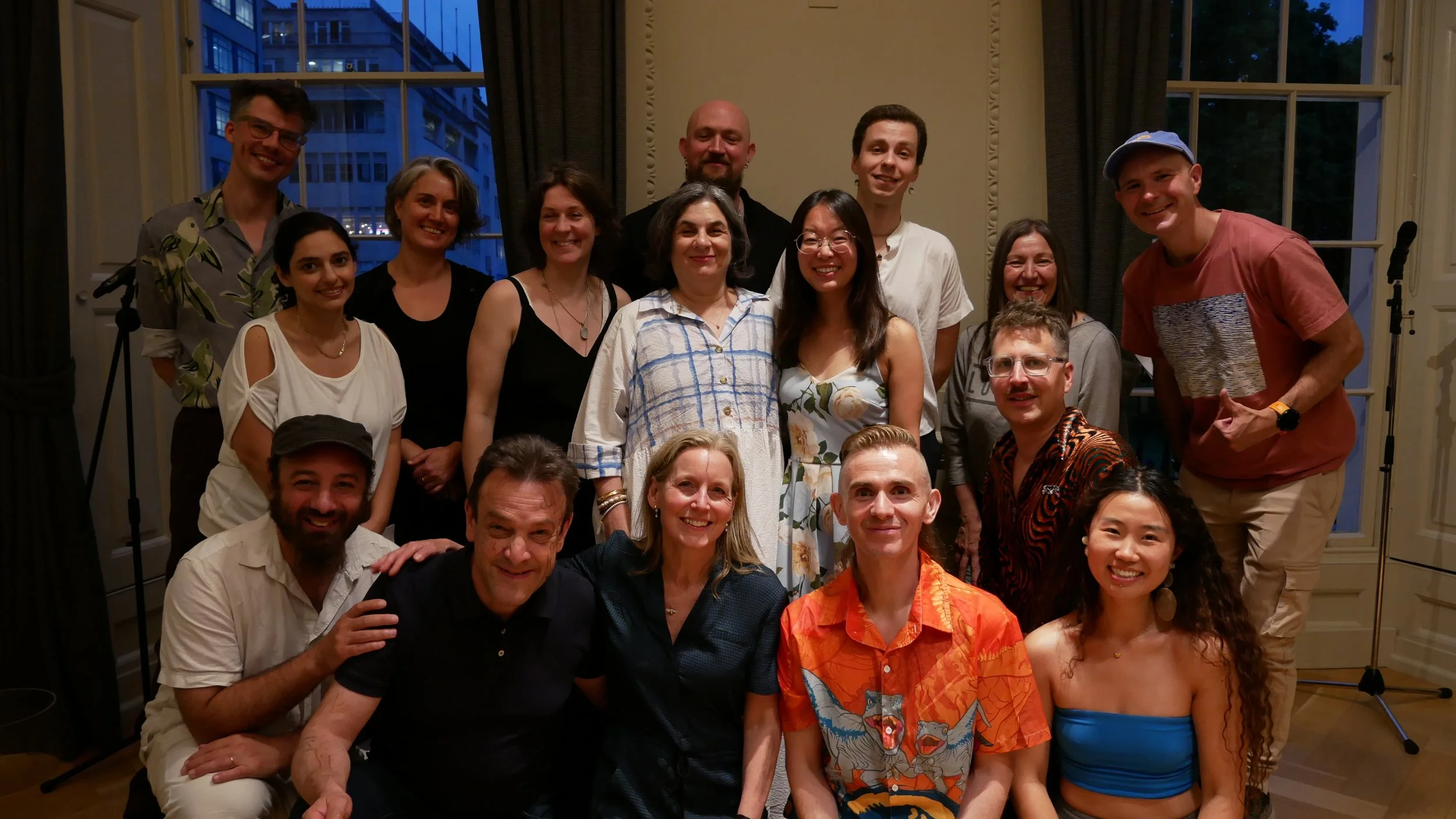
A labour of love. 9 events in just under 3 weeks, nearly 1000 people in attendance, hundreds of poets I have had the pleasure to pair, most often when they don’t each other, watching connections and friendships emerge from collaborating, performing, and pushing what is possible for live poetry / literature / text. I’ve resisted writing about the size and complexity and resonance of the process, curating this festival, because I want it to be entirely about presence and immediacy and hospitality as a means of enabling and enjoying more eccentric, playful, jubilant, weird and expansive live work. Thus the less I reflect on it in complex terms (I reflect on it a lot pragmatically and practically) the more it seems to be about the people involved and the things that happen in the rooms. It is about that, people meeting, sharing thing, being decent, and having an interest together in literature. This year was really great as it was mostly stress-free and it felt like some of these ideas had reached into all corners of participation. People seemed to know they can play, right through the events, from start to end. Lots of incredible performances. Lots of stuff I watched and was very jealous I wasn’t in it myself, or hadn’t come up with the idea.

This is the experience I hope will go on for many more years, the festival at this size, with lots of new people alongside those who have participated in the past, brilliant partners and venues, real atmosphere on London summer nights and nine evenings where it was better to be doing this than pretty much anything else. / Every event and every performance at each event is available at the link, it is well worth having a look through the grand photos and watching some of the videos I reckon! https://www.europeanpoetryfestival.com/2026

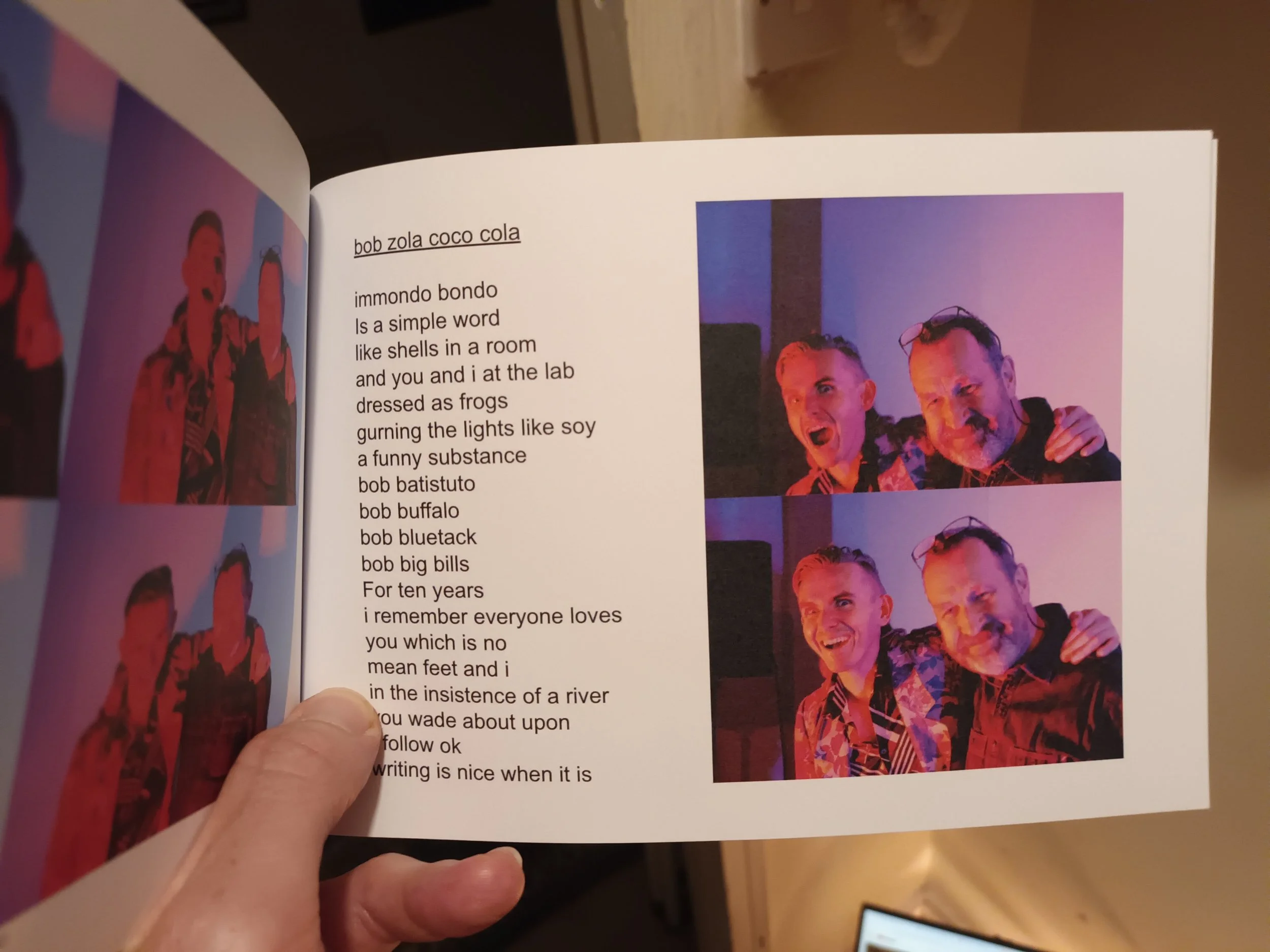
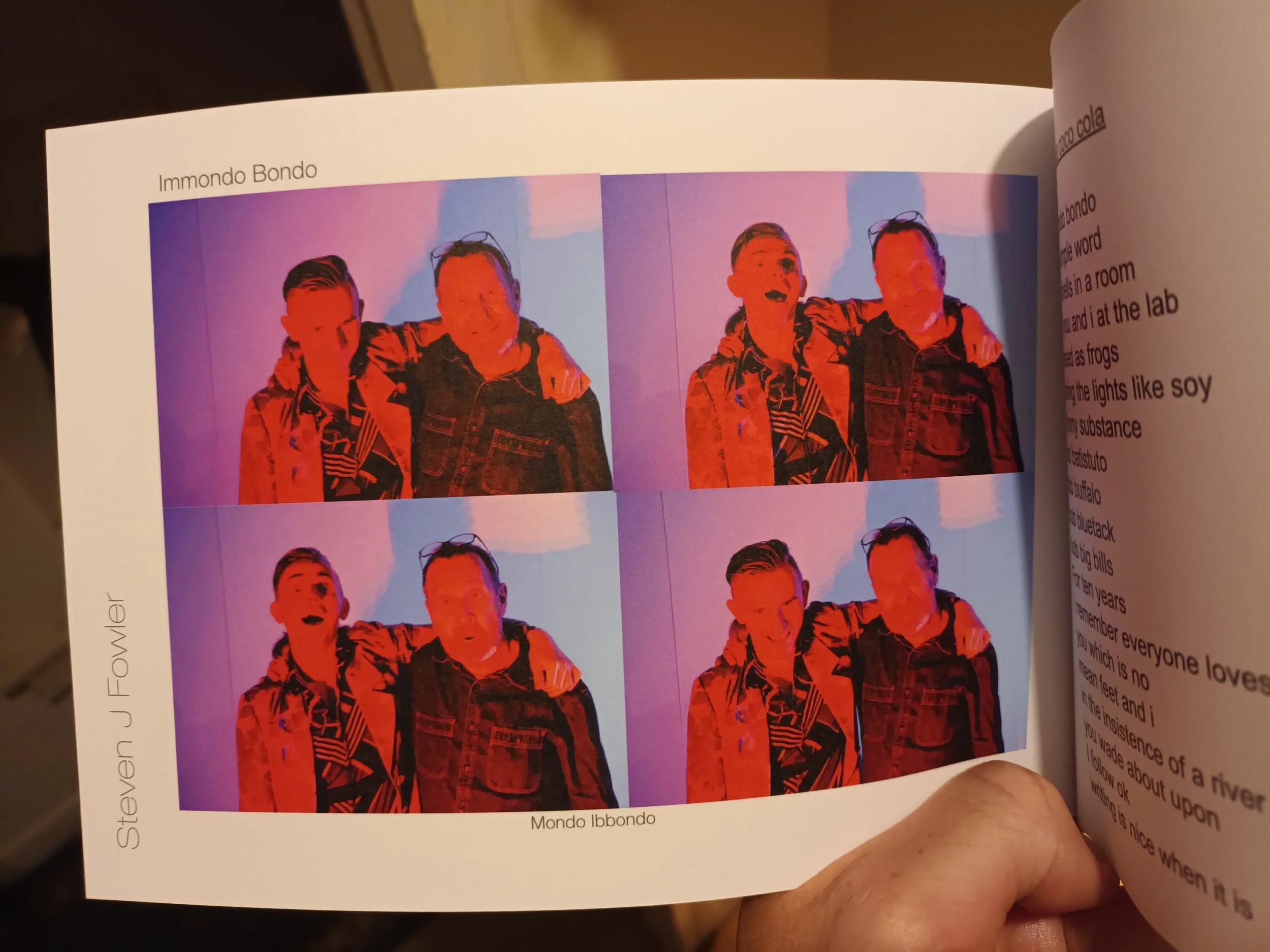
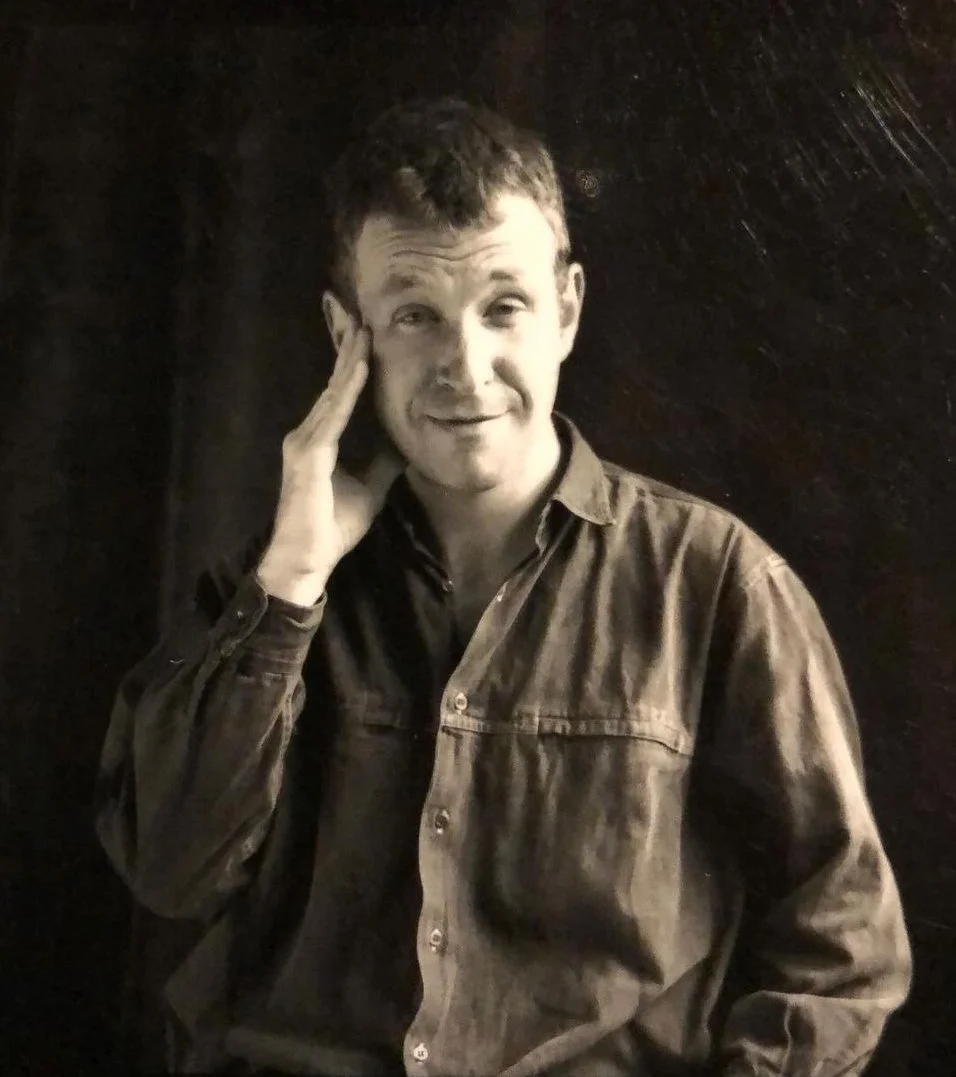
Celebrating Bob Bright - August 15th at Torriano

https://www.theenemiesproject.com/bob Celebrating Bob T Bright : an event at Torriano Meeting House - August Saturday 15th 2026 : 2pm doors, Free

99 Torriano Avenue. Kentish Town. London. NW5 2RX torriano.org/whats-on/poetry/celebrating-bob-t-bright

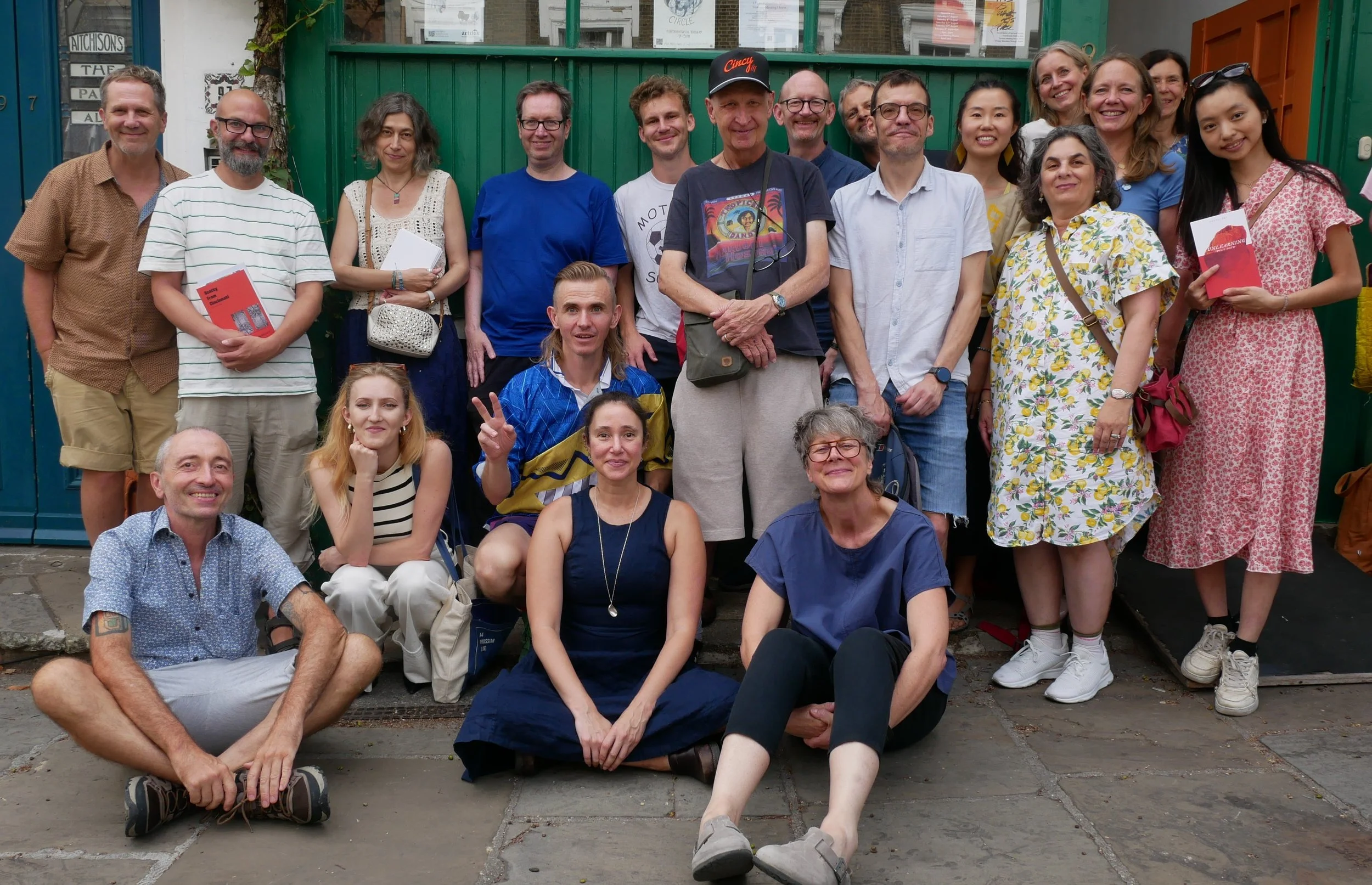
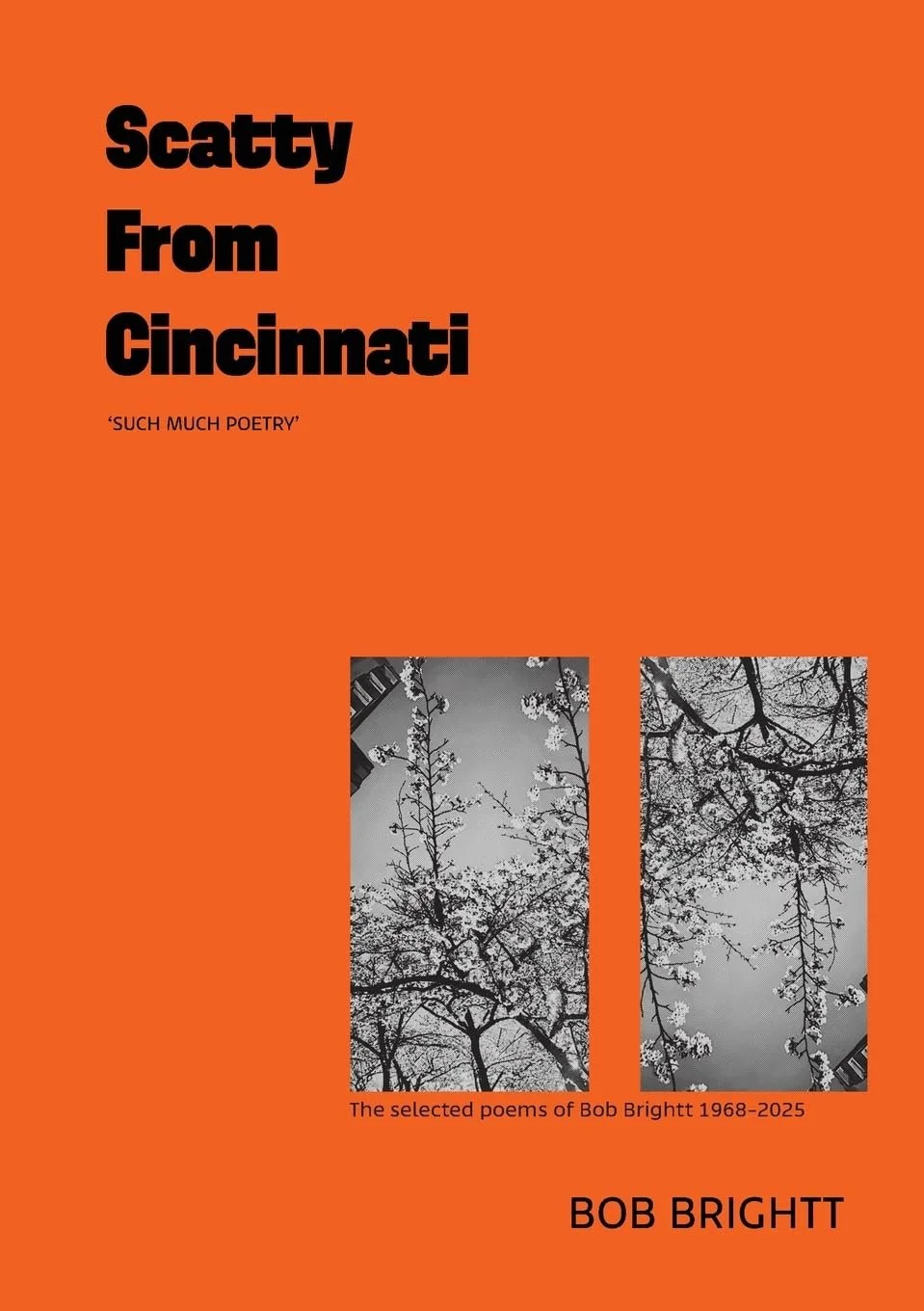
Marking the launch of Bob T. Bright's selected poems - Scatty from Cincinatti from Kingston University Press - which draws together over fifty years of writing, this event will see readings of his works by over a dozen poets in a celebration of Bright and his singular output. A true original, a beloved character and a mainstay of the British experimental poetry scene, Bright's work is remarkable for its playful originality and it's methodological breadth, taking in many conceptions of what a poem is and always delivered with inimitable charm.

The book will be available to buy for the first time on the day, and performers include Laura Davis, Martin Wakefield, Beverley Frydman, Lucy Furlong, Matt Sokulsky, Jules Sprake, Lisa Blackwell, Susie Campbell, Patrick Cosgrove, Stephen Sunderland, Mikael Buck, Julia Rose Lewis, SJ Fowler and more.

EPF 2026 - Romania, Katarína Krupičková and dance poetry

One of my favourite collaborations from 2025, I had the chance to work again with Katarína Krupičková for the final event of the EPF 2026, and the first ever Romanian poetry celebration. Katarina is a dancer and performer who uses text and talking in her work, and she has been a key person for me to continue my interest in what might be termed dance poetry, or certainly the active use of movement in live improvised talking poems. I think we were trying to create a contradiction between how static the speech might seem compared to the physical duress of the movements. And I think we wanted there also to be a sense of the movement teetering on the edge of control. And it was so hot in the venue, there is an element of endurance as a metaphor, something like amusing suffering, purging, with a repression in it too. But also we didn’t plan anything and just improvised it at all really also, so maybe it got away from us a bit and freaked people a small bit. Worthwhile, for me to learn from someone who is doing exciting things with integrity.

EPF 2026 - Latvia, Krisjanis Zelgis and human sculptures

Seven years Krisjanis and I have worked together, and last year publishing a book of our collaborations https://sampsonlow.co/2025/06/17/levels-of-care-krisjanis-zelgis-sj-fowler/ This year, for our seventh work together, we decided to return to what we’ve termed ‘human sculpture’ reading, adapting some of our strange lifting intensities sitting around the spoken text to the specific environment of the National Poetry Library. Seemed to go well.

EPF 2026 - Poland, Magda Drozd improv

A new collaborator, an extraordinary debut in doing so, the wonderful Magda Drozd, at the first Polish poetry celebration at the European Poetry Festival. Magda I know through my friend and collaborator Miya, and her energy is unique and encouraging and attentive and entrancing. She allowed me such space but it felt so sympathetic. The audience really seemed to love it, it was gratifying. The context is that I was often utilising lines from poems performed that night, before we performed, and that a family attended with a small child who had to leave as they were talking during the reading. So at the beginning I went upstairs to ask them to return so the child could talk as I talked. I hope Magda and I do many of these.

EPF 2026 - Flanders, Nick Roth improv

Nick Roth and I have collaborated six times since 2022, when we debuted in Ireland. Everytime, twice in Ireland, twice in London and once in Kingston, we have entirely improvised. No preparation, no discussion. Just stand up and I talk and Nick plays. What Nick does remarkably well is follow the voice as an instrument by playing his instrument as a voice. He is intensely alert, very witty, and comes on the front foot. It’s such a joy to work with him, and this one was maybe our best? Hard to say, but people seemed pumped. We got a huge reaction in the room and throughout the night afterward, which was a special night, the EPF Flanders celebration at Flanders House just off Oxford Circus.

EPF 2026 - Alban Low's drawings of Norway event performers

https://artofjazz.blogspot.com/2026/07/norwegian-poetry-celebration-st-olave.html

As has happened many times before, the remarkable artist, publisher and dear friend, Alban Low, has created an extraordinary memento from the opening event of the EPF 2026, with sketches of the collaborating pairs who performed on the night.

EPF 2026 - being Pepys, collaborating with Sean Bell

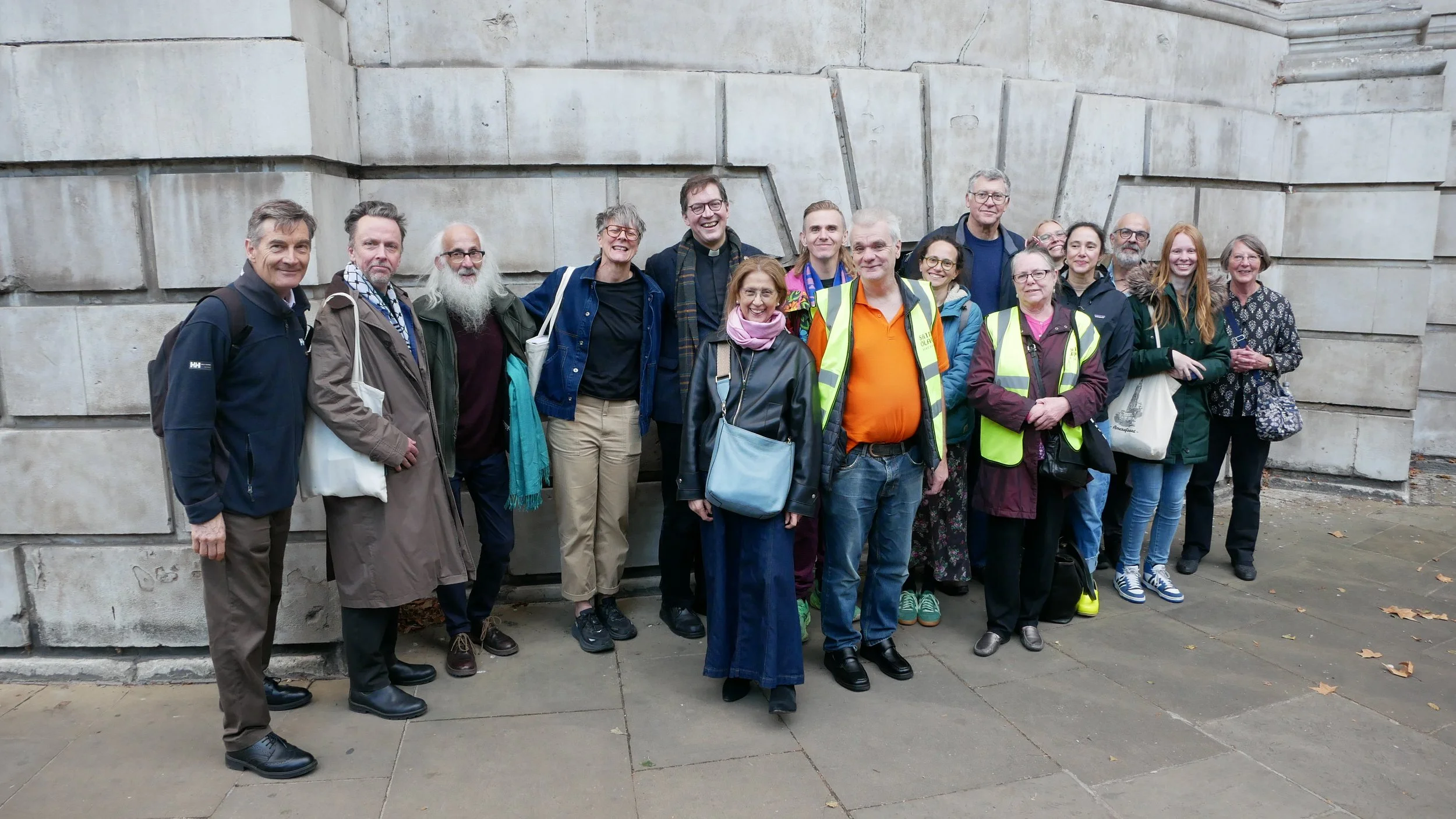
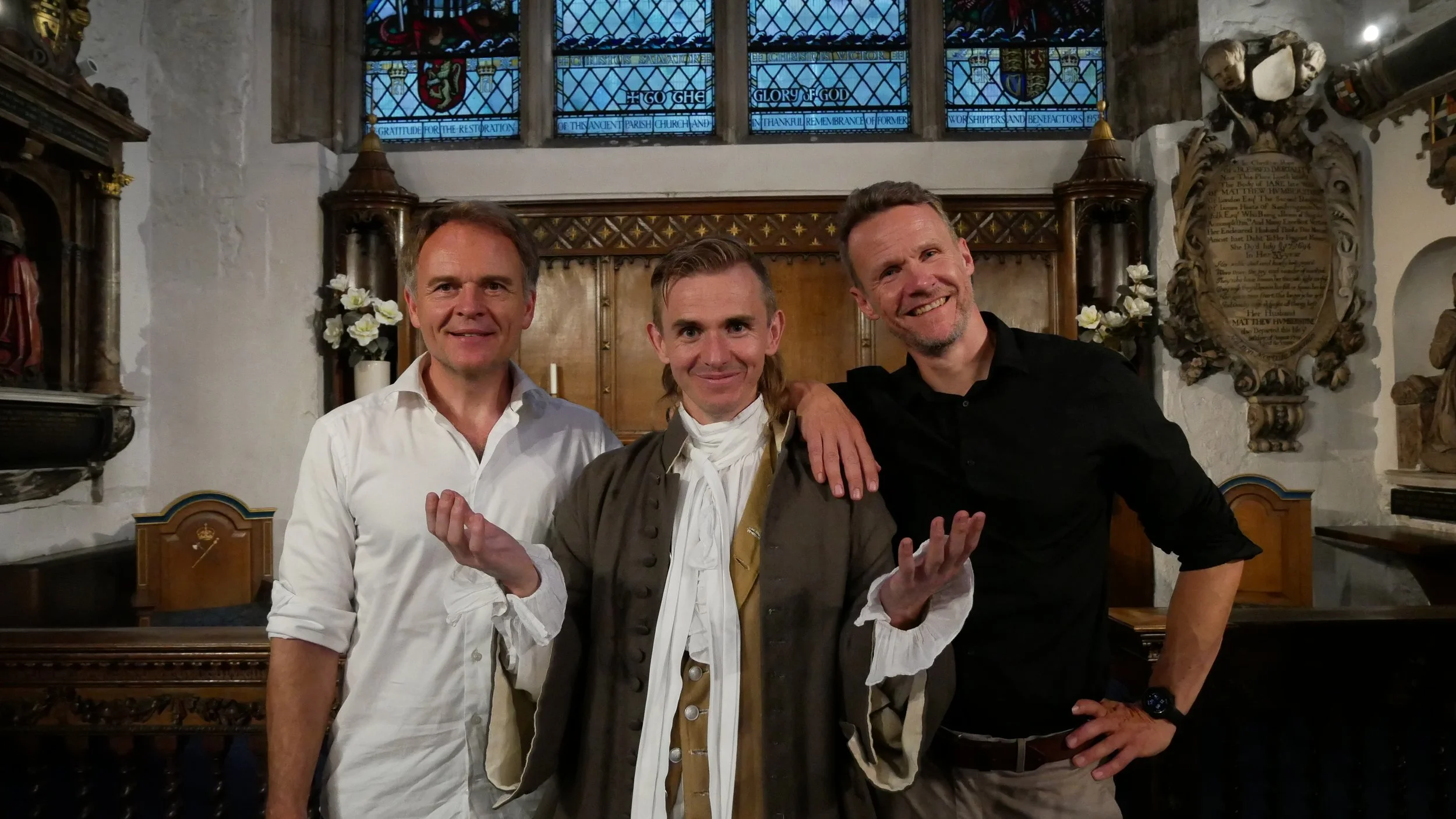
The festival began with a Norwegian poetry celebration event. It allowed me to collaborate with Norwegian renaissance singer, researcher and performer, Sean Bell. I hired a costume that was (I was told) 100% historically accurate for Samuel Pepys, who was a local to the venue - St Olave church in the City of London and mentioned it often in his diary, attending as a parishioner. I read Claire Tomalin’s book about his life, and his diaries, and then researched the accent most common in London of the 1660s, which was similar to contemporary Devonian. Then Sean and I met on the day, he brought some prepared songs that were of the time too, and we slotted things together, and pretty much improvised. It ended up as something wonderfully strange and atmospheric. I resisted a neatness, shall we say, so it was a little awkward for the audience, but all the better. Sean is incredible too, as talented as he is amicable.

Compoetics - dialogue interview with Singer, Husarova, Spittle et al

https://compoetics.com/european-poetry-festival-a-conversation-with-participants-curated-by-the-fest-director/

Margento has launched a brilliant new online journal (of sorts, it is very high tech!) and kindly hosted a unique in dialogue interview I have done with poets that are at the root of my festival and it’s ethos - Julia Rose Lewis, David Spittle, Lavinia Singer Krisjanis Zelgis and Zuzana Husarova. They reflected on the festival and then asked me a question.

“It was around the lockdown that I realised the festival had become sustainable because it was interpersonally sustaining. Or rather, my approach of putting collaboration first, rather than translation or singular solo readings, had led to people being put first, as everything was being created for the events, and communities and friendships spiralled out from this model. As such, in the absence of people getting together for one night to share new collaborative performances I realised the festival was sustainable for me for an individual as all extraneously reflective consideration, including goals or even curatorial visions, had drained away and I was just doing it, wanting to do it, to see people and see their work. I wanted to get a few hundred good people together, connect them, and have a lovely few weeks in their company, and all else could flow from that, because of that, often oblivious to me. Since then this has increasingly been the case, that I am able to be in the moment of the events and not mind the admin and effort it takes to build up to these moments, for they are just less nice but neutral moments in the service of me seeing and meeting and working with people.”

Books by World Poetry

The publisher World Poetry, edited by Matvei Yankelevich, are putting out some extraordinary contemporary poetry. It is really in my area of interest, high quality work, new translations, and beautiful designs too, and with a significant grounding in European poetry. Due to my festival I am asked often about publishers people should follow to access some quality contemporary European poetry, and so I’m sharing https://worldpoetrybooks.com/ which feel in the tradition of Peter Owen, where I worked briefly when I started out in writing (an experience which shaped me massively) You can see their titles and sign up for their quarterly newsletter and recently I’ve been reading their new translations of Boethius, Sodergran and Seferis, evidencing their eye on the past as well as the future

Barabus at Waste Exchange

Thanks to the brilliant curation of Andrea Mason I had the chance to launch Barabus at Avalon Cafe in London during this all day event. Apart from the reading, everything I did was 100% improvised on the spot and it somewhat went my way. Thanks to the unknown pianist. I read from my novella Barabus after rolling in the theme and finding a friend.

Barabus launched at Brick Lane Books

A wonderful launch, for me, to share my book with a few dozen friends and kind ears in the brilliant Brick Lane Bookshop. Luke Kennard was really kind to come and talk to me for nearly an hour about Barabus and it’s themes, and big thanks to him and Dominic Jaeckle for being ever present behind the book. https://tenementpress.com/BARABUS

EPF Nottingham Camarade

https://www.europeanpoetryfestival.com/nottingham

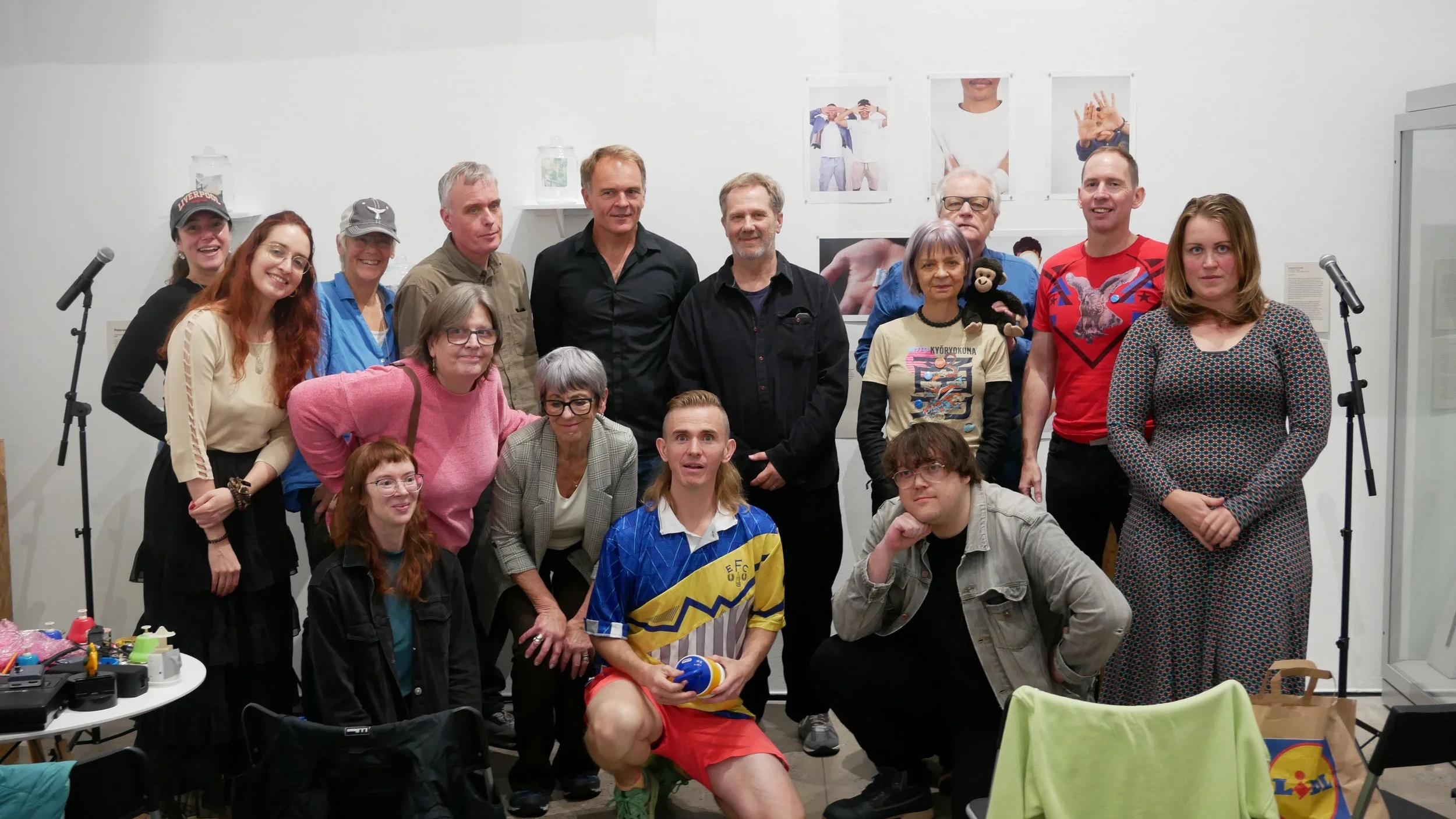
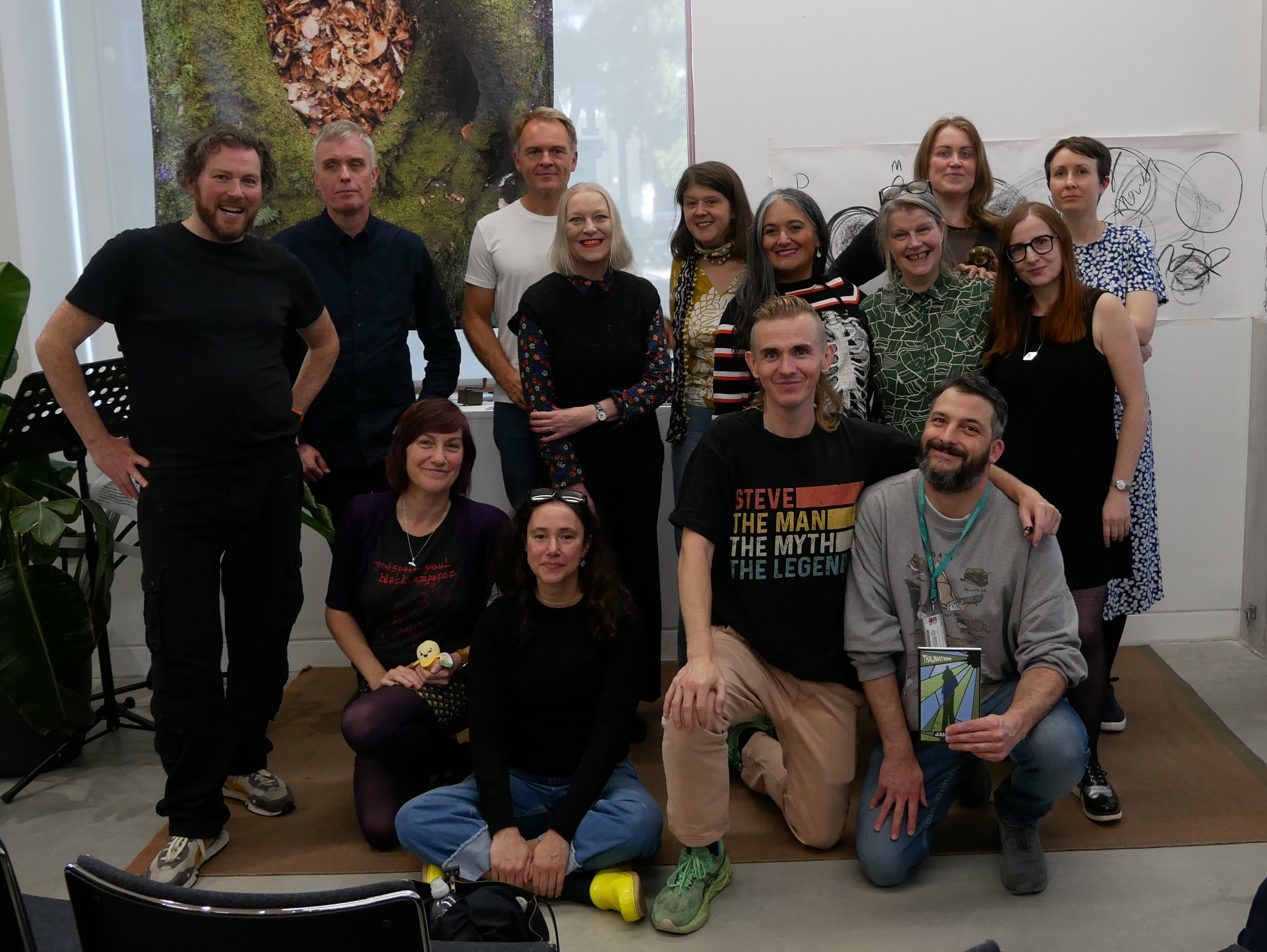
My first time organising in Nottingham, and an extraordinarily resonant experience it was working with Hannah Trevarthen and the team at UNESCO Nottingham City of Literature, to whom basically I owe the whole adventure. Nottingham Contemporary was our venue, really a stunning space, and the process of curating allowed me to connect with a new scene of poets as well as old friends. In the end it came together in the spirit of community and newness that I’m trying to make synonymous with my festival and the Camarade model. 7 performances, 14 poets, a good audience and a proper range of approaches to poetry, collaboration and liveness. Everyone seemed happy at the close, with small creatures in hand. Well worth a look at the videos and photos at the link above.

For my own part I did an improvisation of talk poetry and dance poetry with my old friend and collaborator Colin and it came out good I think. We used the space, we made it from what was there, what had been said, the depth of what was happening. He is an extraordinary poet and performer.

Bie Yining's Canton Mute

Mentoring is one of the most important things that I do, for me. It allows me to reflect on my own approaches to writing living as an entire mode in the act of being responsible to another person who is taking or beginning that journey. A number of years ago I began working with Bie Yining, remotely, between my base in the UK and hers in China. It has turned out she is one of the most gifted young poets I’ve had the pleasure to encounter and this summer she is able to attend my festival and launch her debut publication, from the brilliant Sampson Low Ltd, edited by Alban Low, who has helped me and so many others too. It is called Canton Mute and is available here https://sampsonlow.co/2026/06/05/canton-mute-bie-yining/ It is truly unique, of genuine originality.

The National Gallery with Toby Jones, Yemi Dipeolu, Nadia Jordan

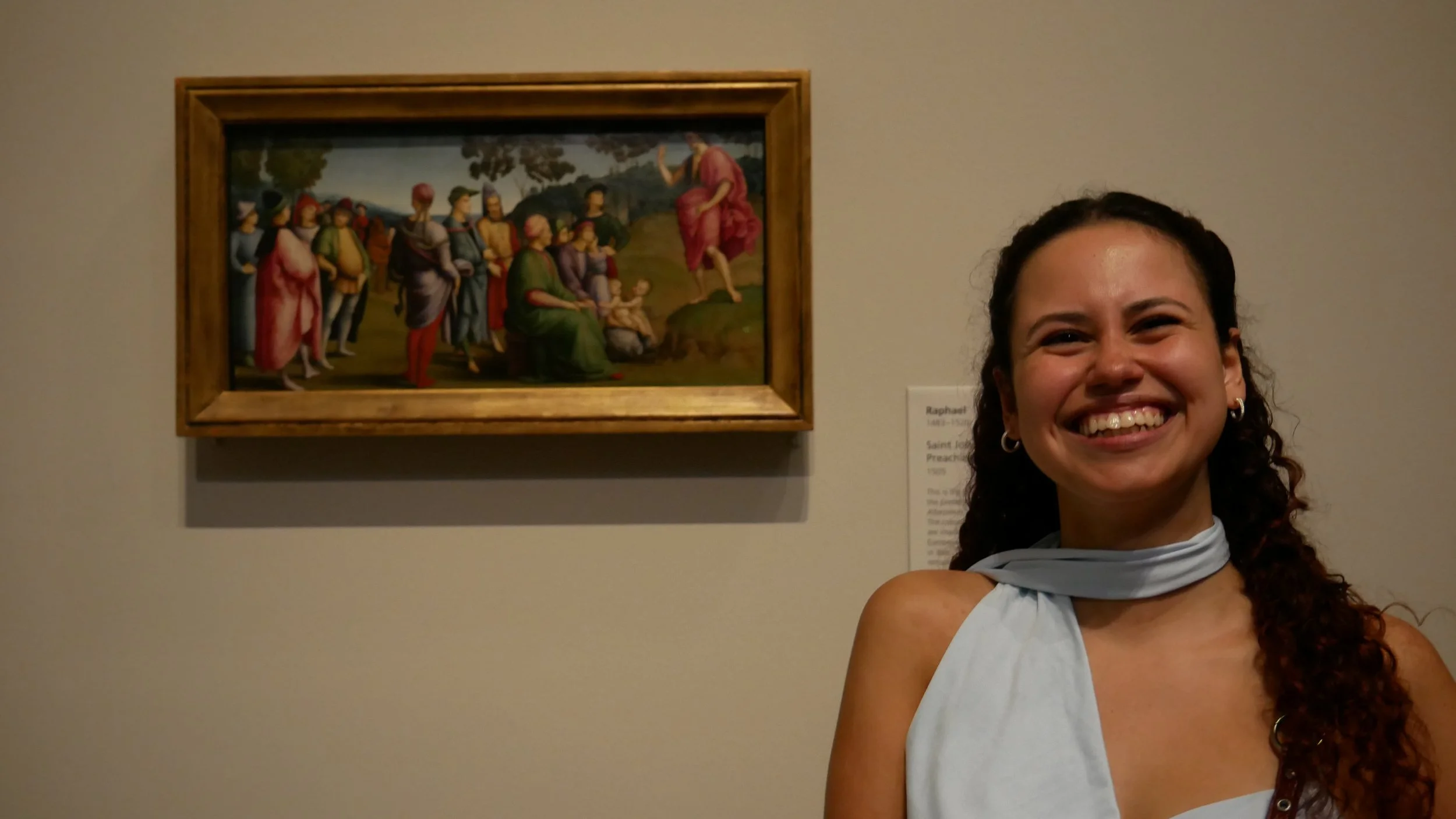
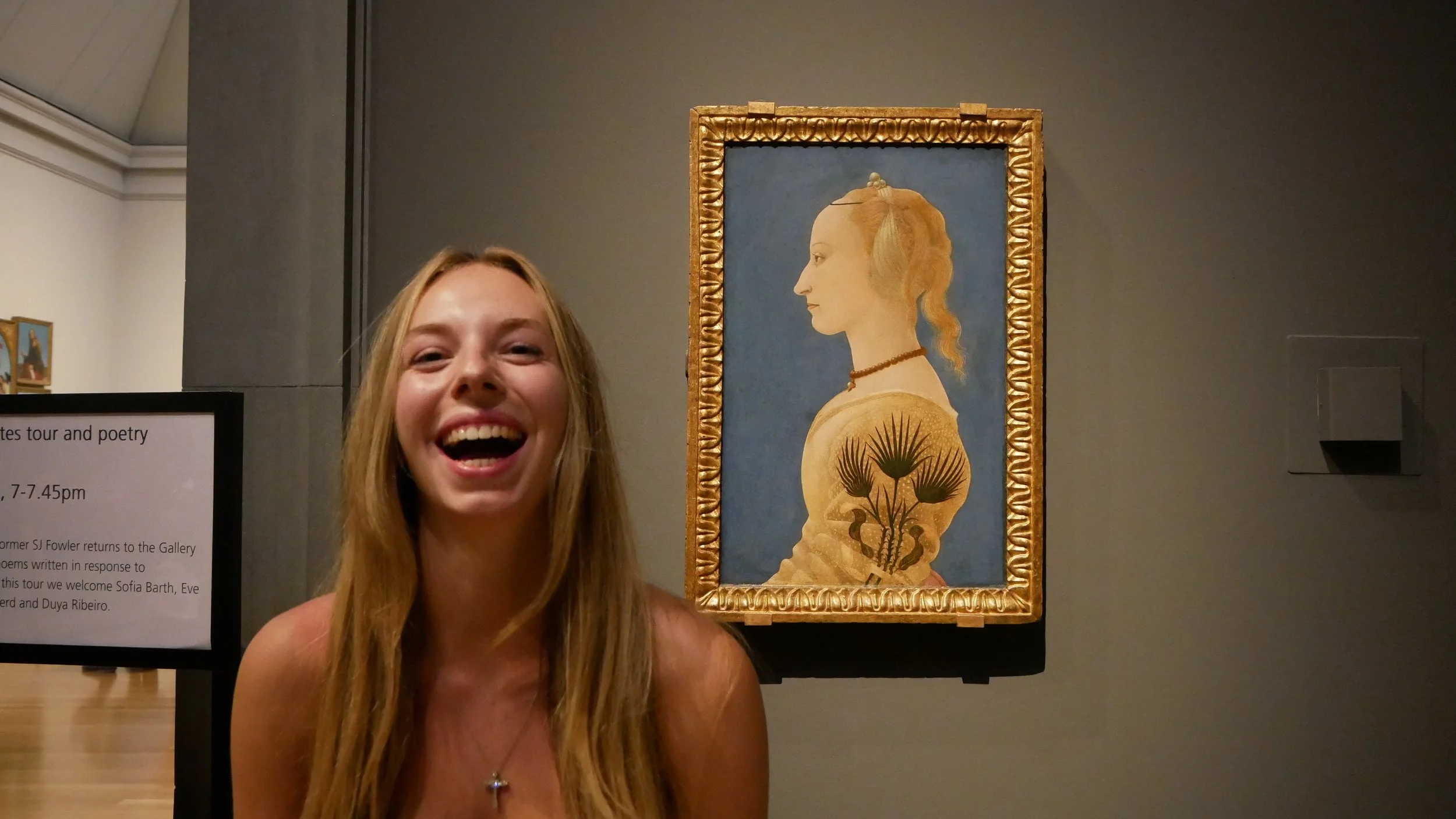
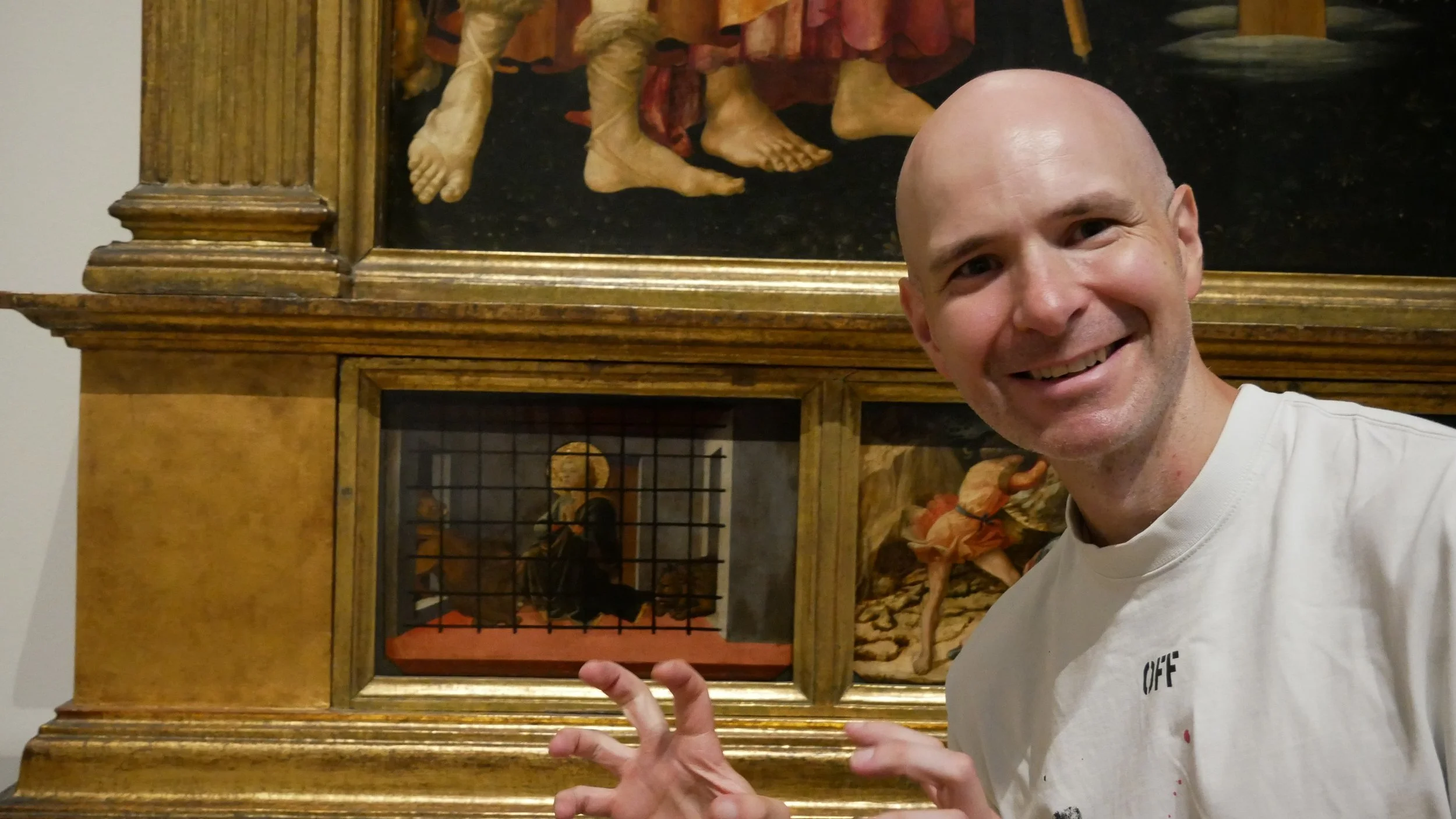
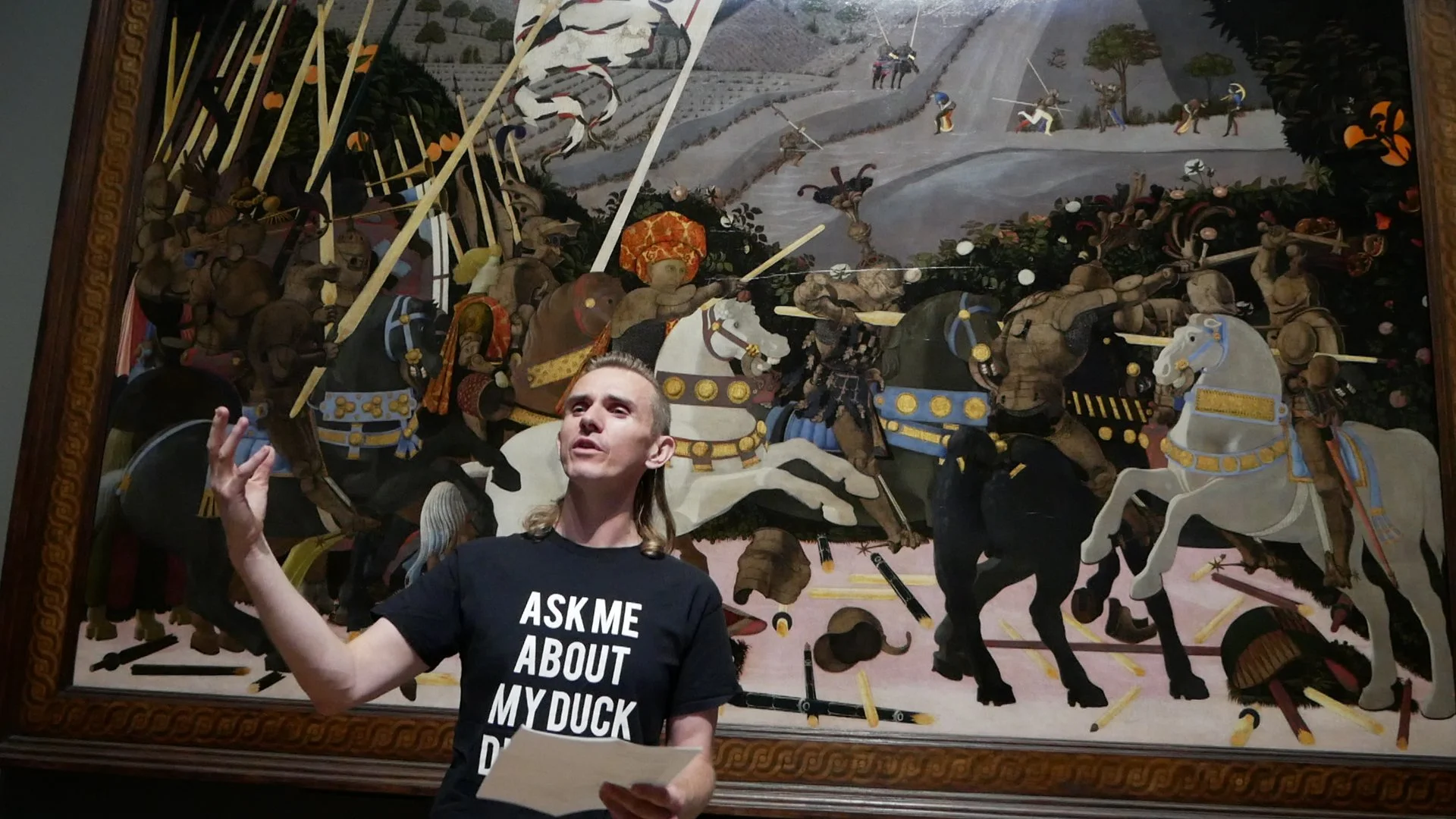
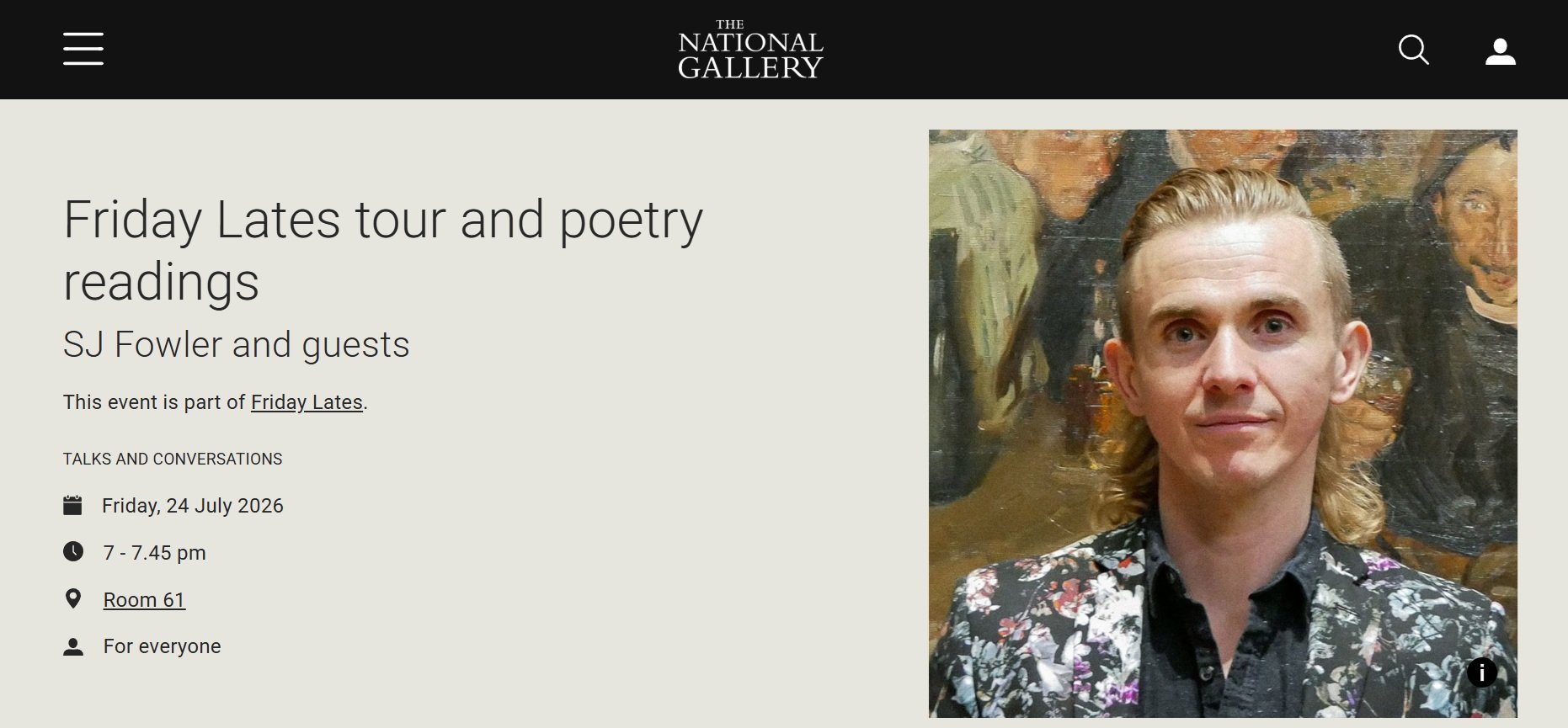
A wonderful night at The National Gallery, with Toby Jones, Yemi Dipeolu, Nadia Jordan and I presenting new works of poetry and writing in response to paintings we chose from Room 32. The 11th in the series, which has run since 2023, it was grand to have so many people turn out in one of the grandest rooms in the gallery. I worked with both Yemi and Nadia at Kingston University, and getting to meet their families and friends, they did everyone proud. It was a pleasure too to work with Toby Jones for the first time; he was as generous, curious and brilliant as his reputation suggests. His presence certainly elevated what has consistently been an outstanding series of events. https://www.stevenjfowler.com/nationalgallery/ I wrote poems on works by Caravaggio and Gentileschi, the latter of which is on video below.
Barabus launch : June 5th at Brick Lane Books

Please join me on June 5th, 7pm, at Brick Lane Books for the launch of my new novella Barabus from Tenement Press. After readings I'll be in conversation with Luke Kennard about the book. bricklanebookshop.org/product/book-launch-barabus-by-sj-fowler-5th-june/ 

Resonance FM, Live Literature - Interview about Barabus

Tony White was one of the first authors I met when I started wanting to be a poet and writer, I attended a workshop he did in London in 2009. He’s someone I’ve long admired, and so it was extra special to feature on his return to Resonance radio, in the first episode of a new run of his Literature Live show, alongside the brilliant Andrea Mason. I had the chance to read from my new novella Barabus and talk about the show and more. Full episode here https://www.mixcloud.com/Resonance/literature-live-4th-may-2026/ and a cut for my youtube

New Books in German : Interview with Sarah Hemens

Really pleased to conduct a conversation with Sarah Hemens, who heads up New Books in German, about the upcoming 9th edition of the European Poetry Festival https://www.new-books-in-german.com/the-european-poetry-festival/ An excerpt here below

I was struck by the breadth of partners involved in the festival, both international organisations as well as national initiatives. What does this suggest about the relevance and resonance of European poetry today?

I’d be cautious to draw any wider conclusions on relevance, just as a mode. I believe the festival has been sustainable, psychologically or emotionally, shall we say, being run by one person, because I am not trying to create any utopian or over arching impact. I’m just trying to create singular evenings, where people create unusually dynamic collaborative live poetry in an environment where it is friendly, funny, hospitable and down to earth. I want to meet people, connect them and put literary and avant-garde poetry in an open space. European poetry carries such powerful traditions in this regard, so it all fits together. The volume of partners is due to their generosity? Their trust? And maybe our consistency? Or the energy of the thing? My desire to reach out? To make more of what we have? I hope so. It’d be lovely if this speaks to a resonance for European poetry here in the UK, but I think it’s not for me to say, but for me to do, if that makes sense. Naturally I personally believe fervently in the resonance of European poetry today.

The Austrian and Swiss celebrations both feature poets working in collaboration with British counterparts to present new work. What stands out to you about the poetry scenes in Austria and Switzerland, and what is distinctive about these collaborative exchanges?

Yes these are two of the fest’s most generous and consistent partners. They really believe in what we are doing and we’re grateful for that because it means audiences get to see what is happening in these two nations in the UK every year. Some audience members do follow the work of these poets after the events and they become a way into to things happening in these nations that might otherwise be opaque. I wouldn’t want to make generalisations about the scenes in these countries but I’ve found the poets I work with often are really affable as people while being very complex in their texts, and I would say it’s because the traditions are different than in the UK, and certainly ideas around modernism and language are more fundamental, and casual, and discussions are accessibility and readability are different. My work is more aligned with the scenes I’ve experienced in Austria and Switzerland and I am jealous the people who seem to win prizes in these countries are doing really intense, complex work. I could write 50 pages on this, but I’ve bored too many people too many times to do that. In addition I think performance and the tradition of experimentation in literature is more common.

Silence : a literary history, my asemic poem

Silence: A Literary History by Kate McLoughlin has recently been published by Oxford University Press. It comes in at 720 pages and is described, properly, as ‘A majestic literary history, revealing the power and possibilities of silence found in literary works… It traces silences over twelve centuries of English literature, from the solitary states of exile on icy seas described in Anglo-Saxon poems to searches for silence in our own Age of Pings.” https://www.amazon.co.uk/Silence-Literary-History-Kate-McLoughlin/dp/019285562X

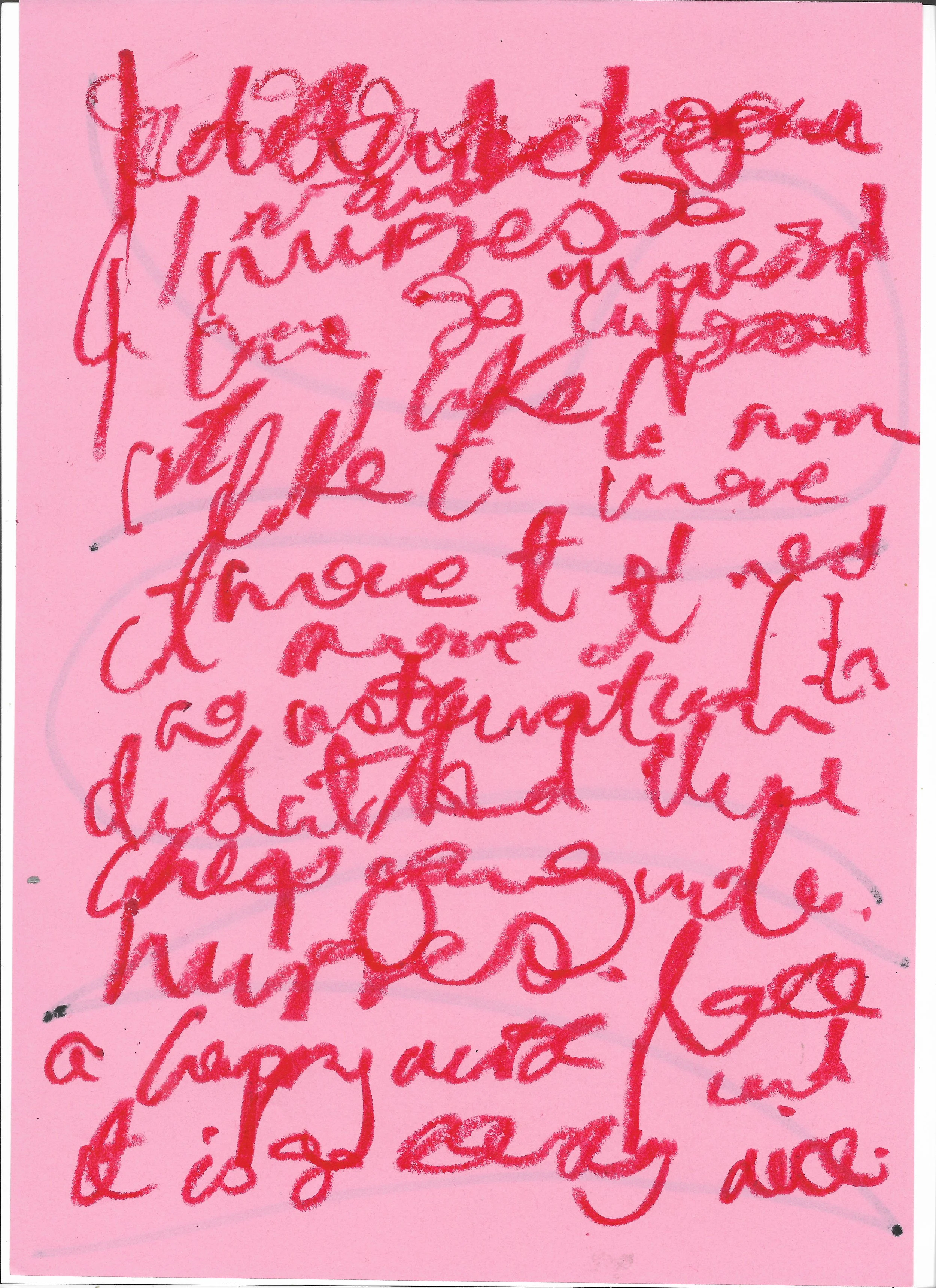
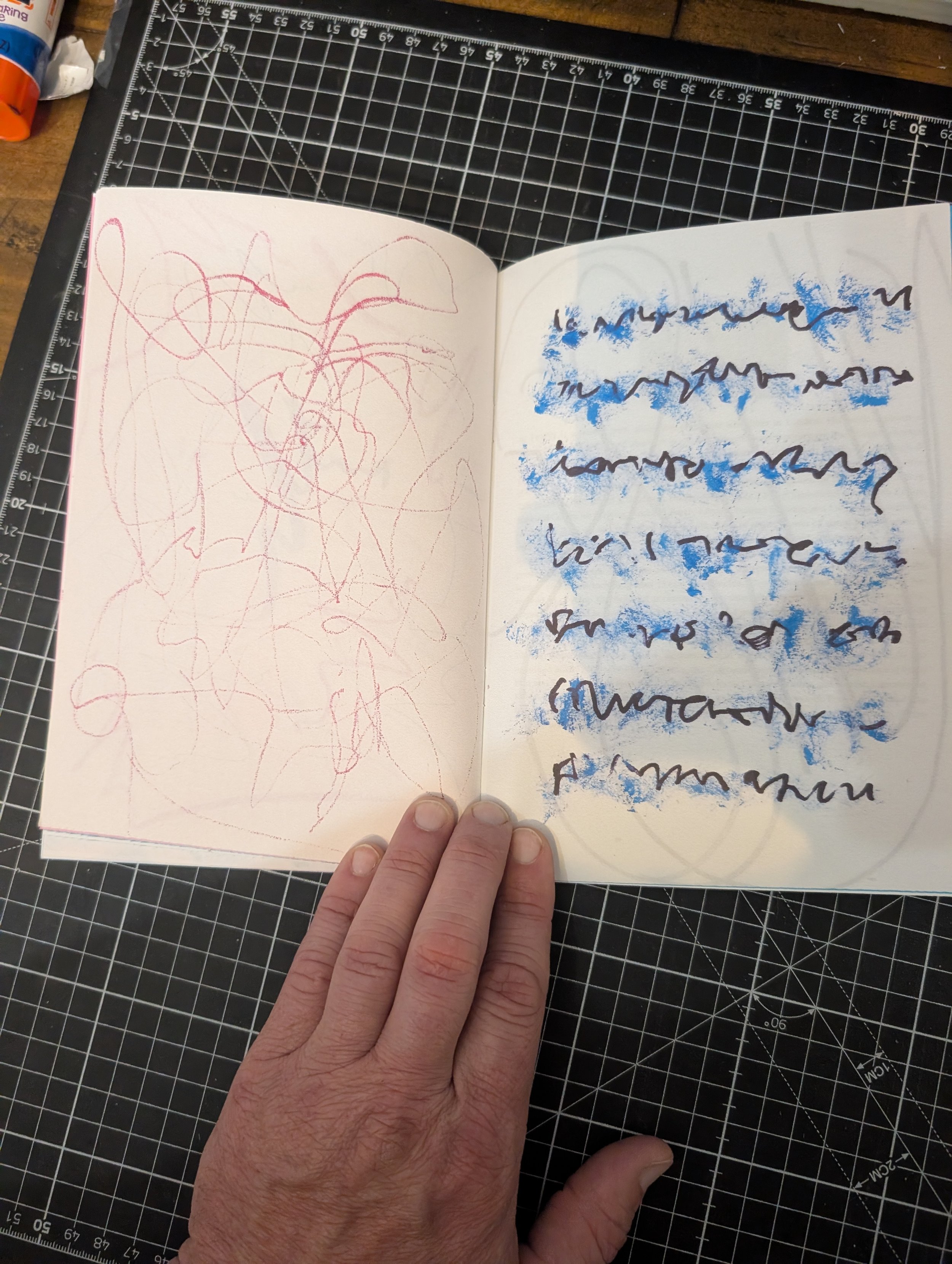
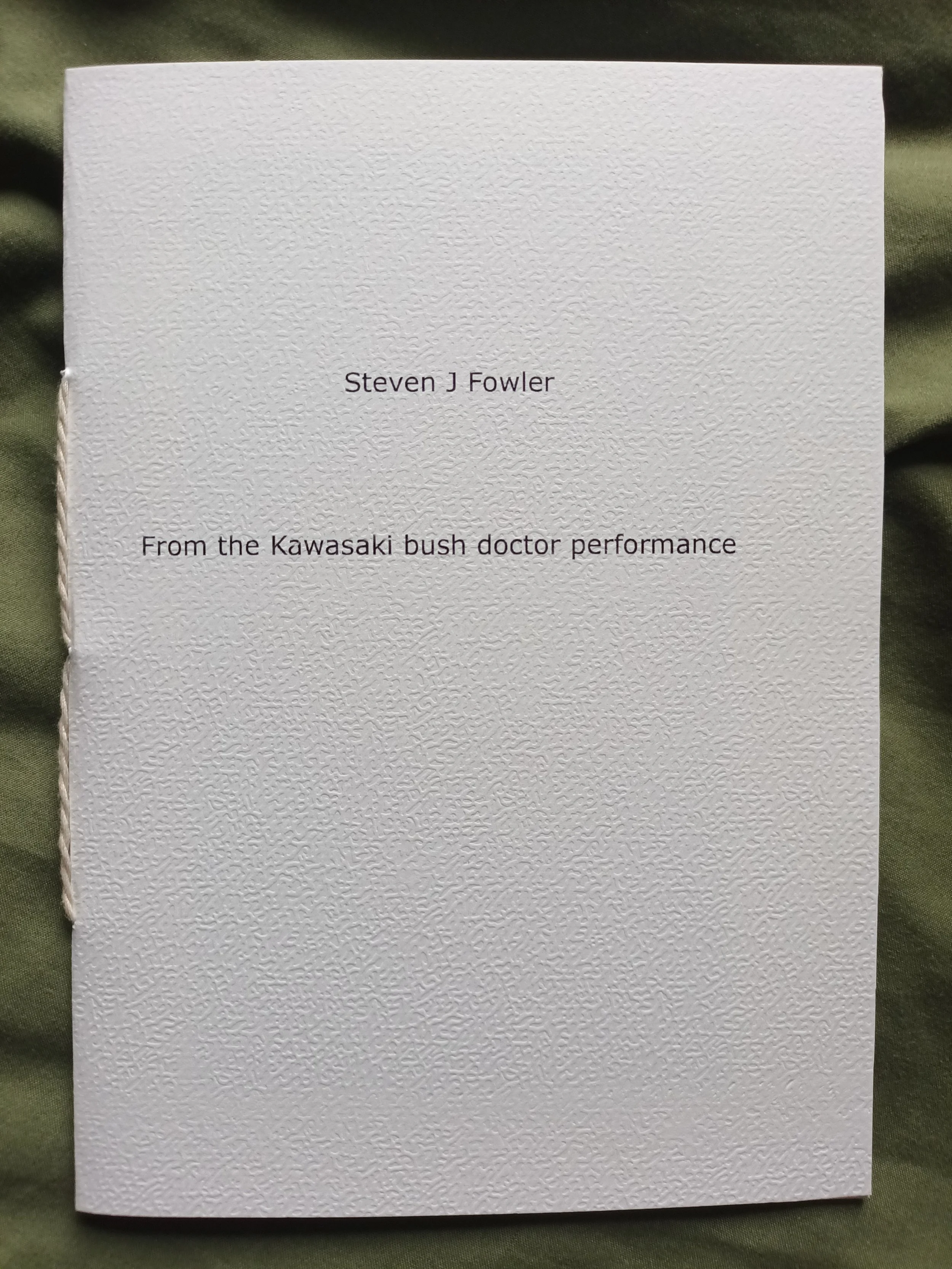
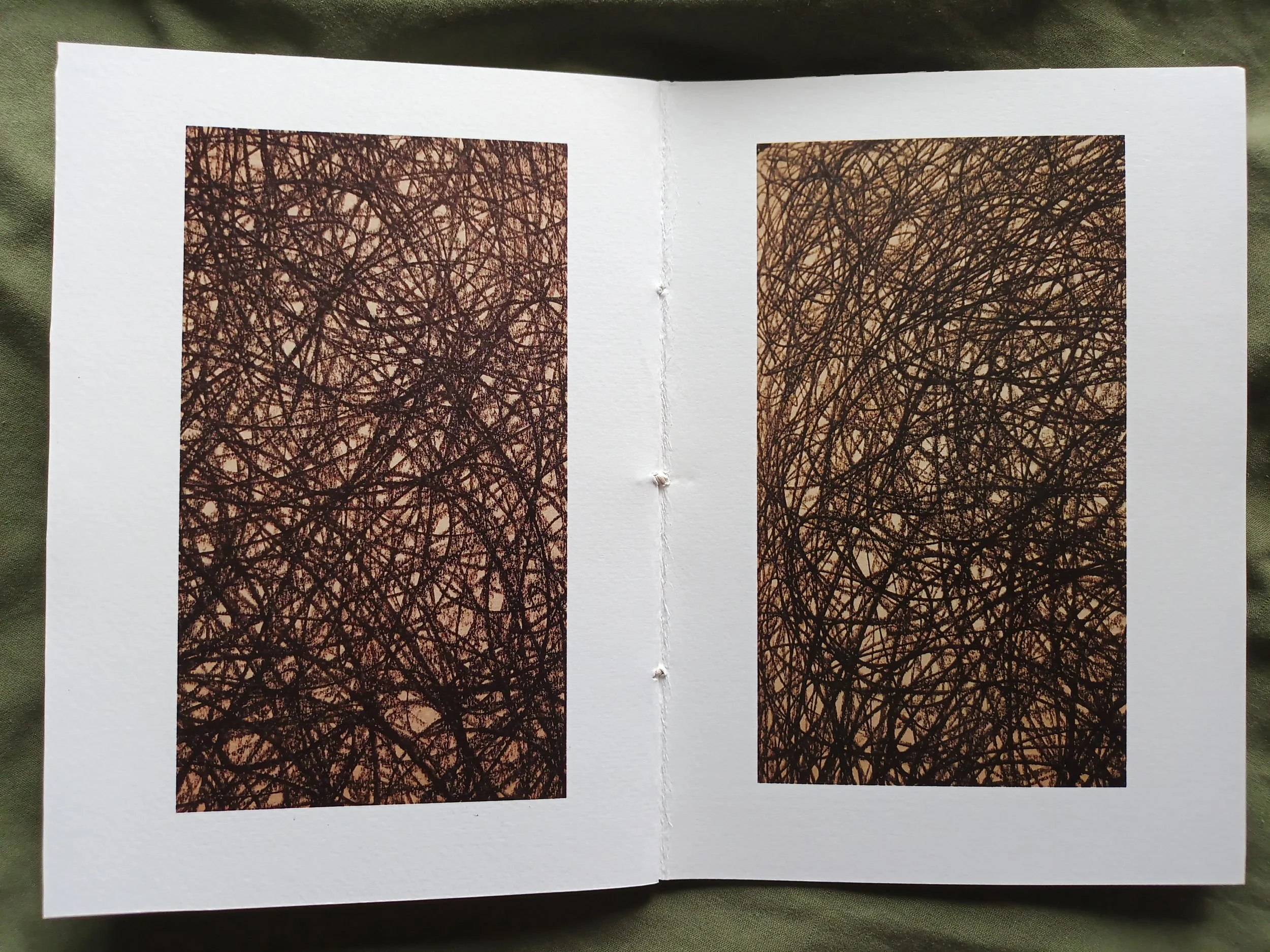
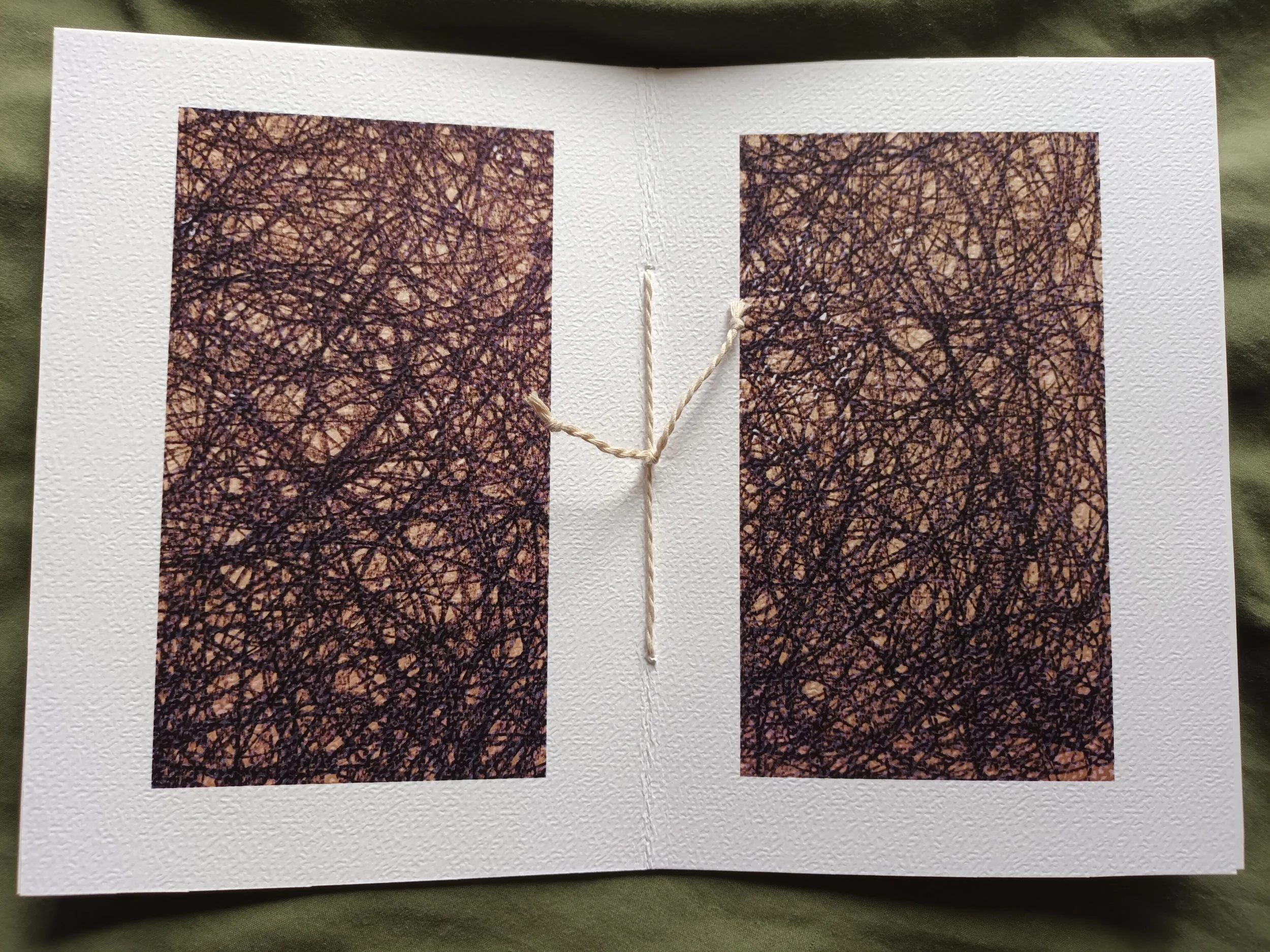
Rather unusually, it includes my work, and one of my asemic poems at that. Pretty remarkable really, and an honour. The work in question is taken from my Selected Scribbling and Scrawling from Zimzalla press https://zimzalla.co.uk/051-sj-fowler-scribbling-and-scrawling-2nd-edition/

”Illuminating the intellectual and cultural influences shaping our relationships with silence and explores the paradoxical ways in which authors create silences through words. Medieval lyricists express complex theological notions through simple lullabies shushing babies to sleep. Renaissance sonneteers protest their tongue-tiedness in dazzling displays of verbal ingenuity. Shakespeare creates silences that stage violent misogyny, calculating statecraft, the hurt of having to grow up and hard-won equanimity. Out of political favour at the Restoration, Milton dreams of a silent paradise. Wordsworth and Coleridge are dumbfounded by the sublimity of God's creation. Jane Austen deflates pomposities with perfectly-timed pauses. Tennyson composes a three-thousand-line poem about the death of his best friend leaving him lost for words. Virginia Woolf repeatedly writes a novel about the things that people don't say.”